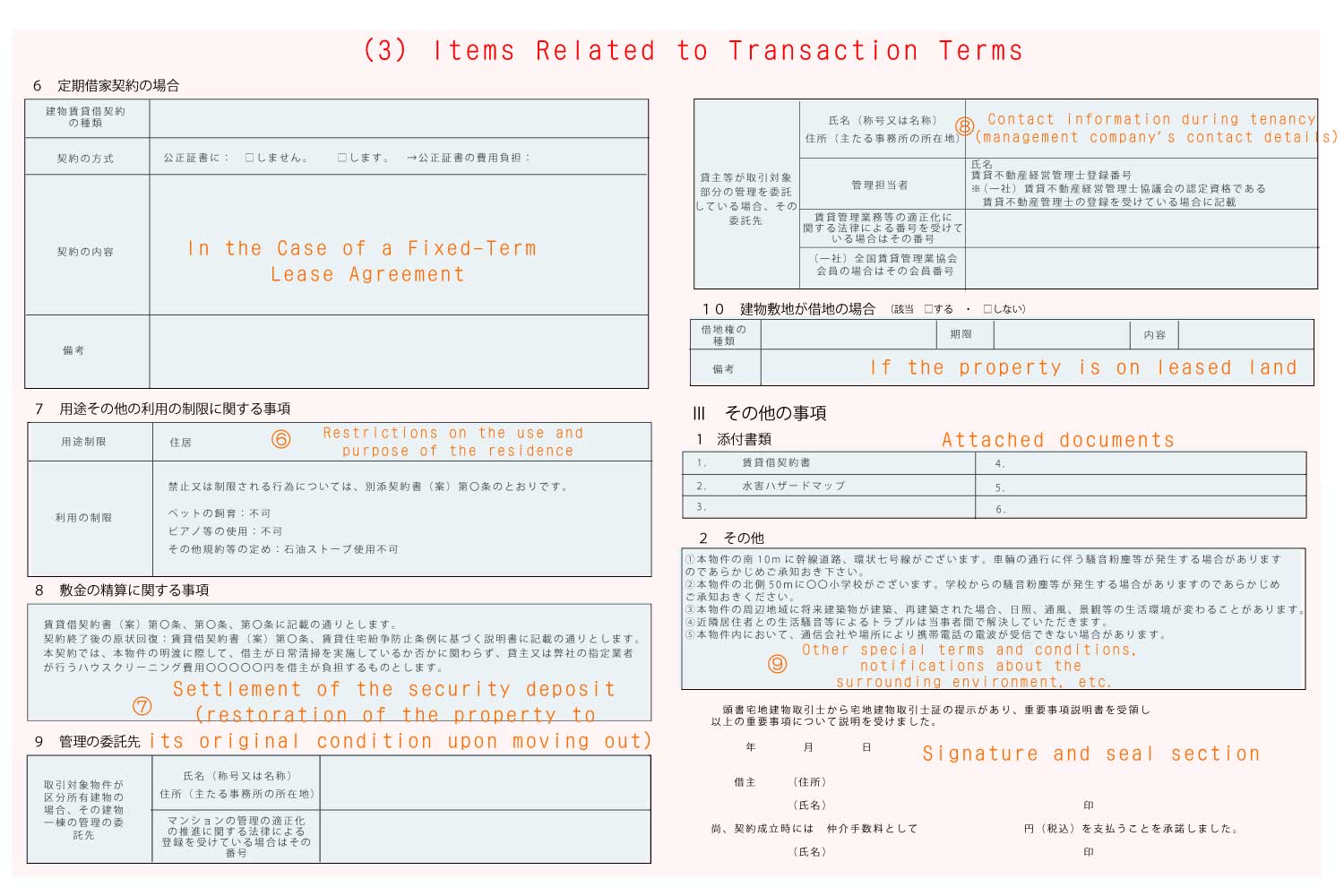

​【Office Closure Notice for New Year’s Holidays】

Thank you for your support as always.
Our office will be closed for the New Year’s holidays during the following period:

————————————–

2024 Dec. 28th (Sat) ~ to 2025 Jan 3rd (Fri)

————————————–

We will resume working from 2025 Jan 4th(Sat).
Apologies for any inconvenience it may cause,
thank you very much for your cooperation!
※​In case of emergency, please contact the following number.
 0120-24​-8094

Four Truly Delicious and Popular Ramen Shops at Gakugei Daigaku Station!

Four Truly Delicious and Popular Ramen Shops at Gakugei Daigaku Station!

Gakugei Daigaku Station is where our Balleggs headquarters is located. We've tried almost all the lunch spots around this station, and there are truly many great places to eat. In this article, we've selected four truly delicious ramen shops around Gakugei Daigaku Station, chosen based on reviews and surveys! These are places we have personally visited many times. Although we wanted to present a list of five, the survey results favored these four, so we're sticking with four this time!


No. 1: Michelin-Selected Mendokoro Bigiya


Image: Official Homepage of Mendokoro Bigiya


(1) Mendokoro Bigiya's "Yuzu Flavored White Soy Sauce Ramen" + "Shirasu Rice"

Ranked first is Mendokoro Bigiya. Being right in front of Balleggs headquarters certainly helps, but 23 out of 50 people chose Bigiya.

The most popular dish is the Yuzu Flavored White Soy Sauce Ramen for 900 yen paired with the Shirasu Rice for 300 yen. You purchase the regular soy sauce ramen for 700 yen at the vending machine, then say "White Yuzu!" or "White!" and hand 100 yen to the staff, who will serve it to you. It's already a major item, but it still has that secret menu vibe, which is nice.

The Shirasu Rice, which pairs perfectly with the Yuzu Flavored White Soy Sauce Ramen, is a mini rice bowl topped with fluffy shirasu fish, and the mildly sweet and umami-rich soy sauce, possibly tamari, is very delicious! The white soy sauce ramen has a fairly light taste, so adding the shirasu rice makes it just the right amount.


(2) Mendokoro Bigiya: Michelin Guide Bib Gourmand Selection!

Mendokoro Bigiya has been selected for six consecutive years as a Michelin Guide Bib Gourmand establishment. The Bib Gourmand recognizes not only "luxury restaurants" but also local eateries offering exceptional value for money. Having such a place right in front of our office is a blessing. It's also a regular in the Tabelog Top 100 Ramen Restaurants in Tokyo, chosen in 2017, 2018, 2019, 2020, and 2022. No wonder it's delicious.


(3) Mendokoro Bigiya Videos


(4) Mendokoro Bigiya Reviews

"Always delicious whenever I come! Everything in the bowl is tasty!" (Woman in her 20s)
"Delicious soy sauce ramen after a long time. Always good!" (Woman in her 20s)
"Light yet punchy and truly delicious!" (Man in his 20s)


Mendokoro Bigiya

2-4-9 Takaban, Meguro-ku, Tokyo
4-minute walk from Gakugei Daigaku Station


Business Hours
11:30 am – 2:45 pm, 6:00 pm – 9:00 pm


Links:
Official Website
Official Social Media
Tabelog
Gurunavi
Hot Pepper Gourmet

No. 2: Stylish and Hearty Tsukemen Susuru


Image: Official Homepage of Menya Susuru


(1) Menya Susuru's Popular "Spicy rich broth dipping noodles"
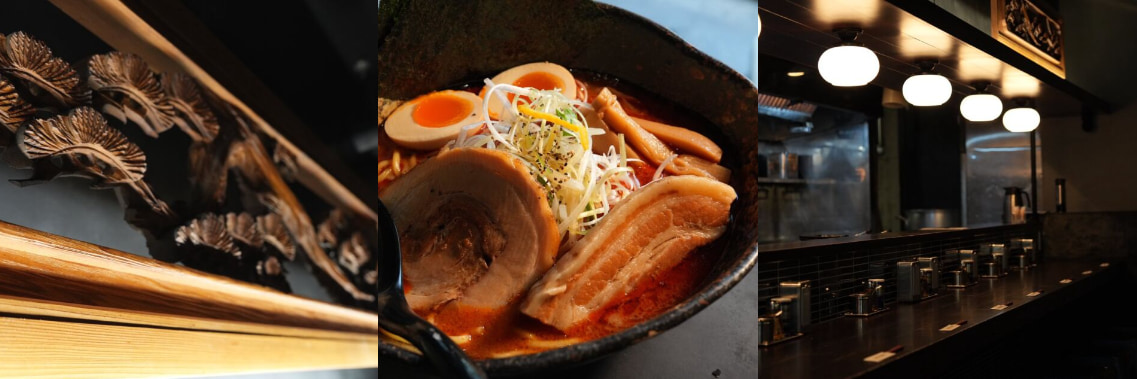
Ranked second is Menya Susuru. It's located in Gakugei Daigaku East Exit Shopping Street, making it convenient from Balleggs, and 13 out of 50 people chose Susuru. Susuru is known for its seafood-based tsukemen, with the Special rich broth dipping noodles priced at 1,680 yen being popular.

 
The highlight of Susuru is its stylish presentation and ambiance. At night, the subdued lighting creates a relaxed atmosphere, and many women dine alone.


(2) Menya Susuru Videos


(3) Menya Susuru Reviews

"My favorite seafood tsukemen! The spacious interior, which doesn't feel like a typical ramen shop, is great whether alone or with friends." (Woman in her 20s)
"Beautiful presentation, noodles with good texture, and tasty broth based on seafood and pork bones—not overly rich but still delicious. The char siu is slightly grilled, enhancing its aroma." (Woman in her 20s)
"Rich seafood soup tsukemen! Beautiful presentation with yuzu on the noodles!" (Man in his 20s)


Tsukemen Susuru

2-15-14 Takaban, Meguro-ku, Tokyo
2-minute walk from Gakugei Daigaku Station


Business Hours
11:30 am – 11:00 pm


Links:
Official Website
Official Social Media
Tabelog
Gurunavi
Hot Pepper Gourmet

No. 3: Amazing Flavored Vinegar: Koki Sichuan Noodles Gakugei Daigaku


Image: Koki Sichuan Noodles Gakugei Daigaku Homepage


(1) Koki Sichuan Noodles Gakugei Daigaku's "Black Sesame Rekka Tantanmen"

Ranked third is Koki Sichuan Noodles Gakugei Daigaku. It's located right outside the Gakugei Daigaku East Exit Shopping Street, making it convenient from Balleggs, and 8 out of 50 people chose this shop. Koki is known for its tantanmen and tantan tsukemen, which are very popular.

 
The recommended point of Koki is the condiments on the table: "flavored vinegar, Sichuan pepper (hua jiao), and green Sichuan pepper." The tantanmen already comes with delicious spices, but it's nice to be able to customize the flavor to your liking. Adding even a little Sichuan pepper or green Sichuan pepper can significantly change the taste. The specially recommended flavored vinegar is made by soaking dried mandarin orange peel (known as chenpi) and Sichuan chili (chaotian jiao) for several days. This original vinegar has a mild acidity and sweetness, dramatically enhancing the taste of the tantanmen! The Tsingtao beer for 390 yen is also a great menu option!


(2) Koki Sichuan Noodles Gakugei Daigaku Videos


(3) Koki Sichuan Noodles Gakugei Daigaku Reviews

"Thank you to the staff for always being delicious whenever I go. I already want to visit again." (Woman in her 20s)
"My favorite tantanmen shop. The soup is delicious and pairs well with the curly noodles! Even those who don't like spicy food can enjoy the normal tantanmen. I recommend adding plenty of Sichuan pepper and green Sichuan pepper from the table and adding the flavored vinegar halfway through your meal!" (Woman in her 20s)
"Whenever I'm hungry, I can't stop thinking about this shop's tantanmen." (Man in his 20s)


Koki Sichuan Noodles Gakugei Daigaku

1-17-12 Chuomachi, Meguro-ku, Tokyo
5-minute walk from Gakugei Daigaku Station


Business Hours
11:00 am – 4:00 am the next day


Links:
Official Website
Official Social Media
Tabelog
Gurunavi

No. 4: Authentic Iekei: Nidaime Toraibu
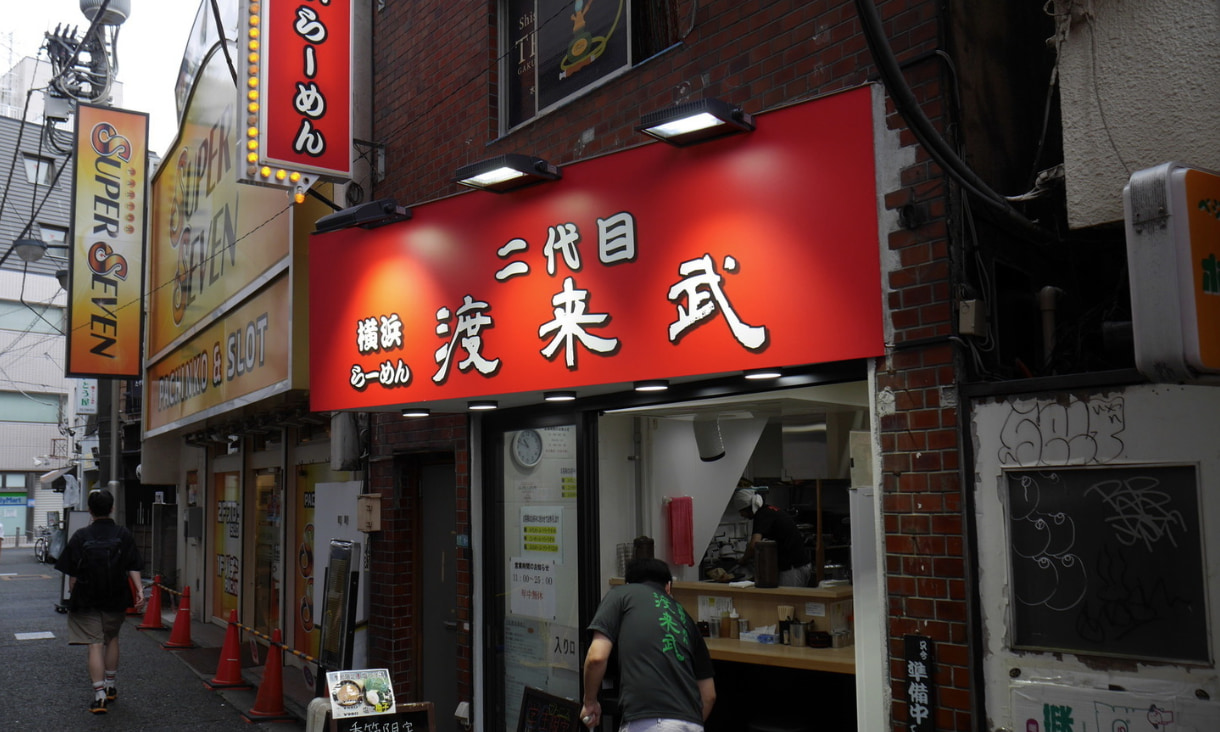

Image: Tabelog Nidaime Toraibu


(1) Nidaime Toraibu's Negi Ramen (Regular Size)!

Ranked fourth is Nidaime Toraibu. It's located right outside the Gakugei Daigaku East Exit Ticket Gate, making it convenient for Balleggs employees to visit after work, and 7 out of 50 people chose Nidaime Toraibu. Nidaime Toraibu is an authentic Iekei ramen shop. The popular menu item is the regular-sized Negi Ramen for 850 yen!

 
Nidaime Toraibu is a simple menu restaurant with free rice (pickles and seaweed are also free). You can enjoy authentic Iekei ramen here. My personal preference is to add a lot of shredded ginger as a garnish, which makes it wonderfully warming!


(2) Nidaime Toraibu Reviews

"Ramen filled with plenty of leeks seasoned with chili oil is delicious!" (Man in his 20s)
"The broth is rich but not too heavy. Gakudai has so many great ramen shops, it's addictive." (Man in his 20s)
"Nidaime Toraibu! My favorite taste." (Woman in her 20s)


Nidaime Toraibu

3-1-9 Takaban, Meguro-ku, Tokyo
1-minute walk from Gakugei Daigaku Station


Business Hours
11:00 am – 12:00 am

 
Links:
Official Social Media
Tabelog

Finally...

This article introduced four truly delicious and popular ramen shops at Gakugei Daigaku Station.

 
Gakugei Daigaku indeed has many great places to eat! There are also many stylish ramen shops, perhaps because it is a city with a lot of women. Recently, stylish izakayas have been increasing at Gakugei Daigaku, and having many ramen shops to go to after drinks is also a nice thing!

 
If you like the city of Gakugei Daigaku, feel free to contact Balleggs. We'll be waiting in front of Bigiya! Thank you for reading until the end.

Can you terminate a two-year lease for a rental property? Will there be a penalty?
Can you terminate a two-year lease for a rental property? Will there be a penalty?
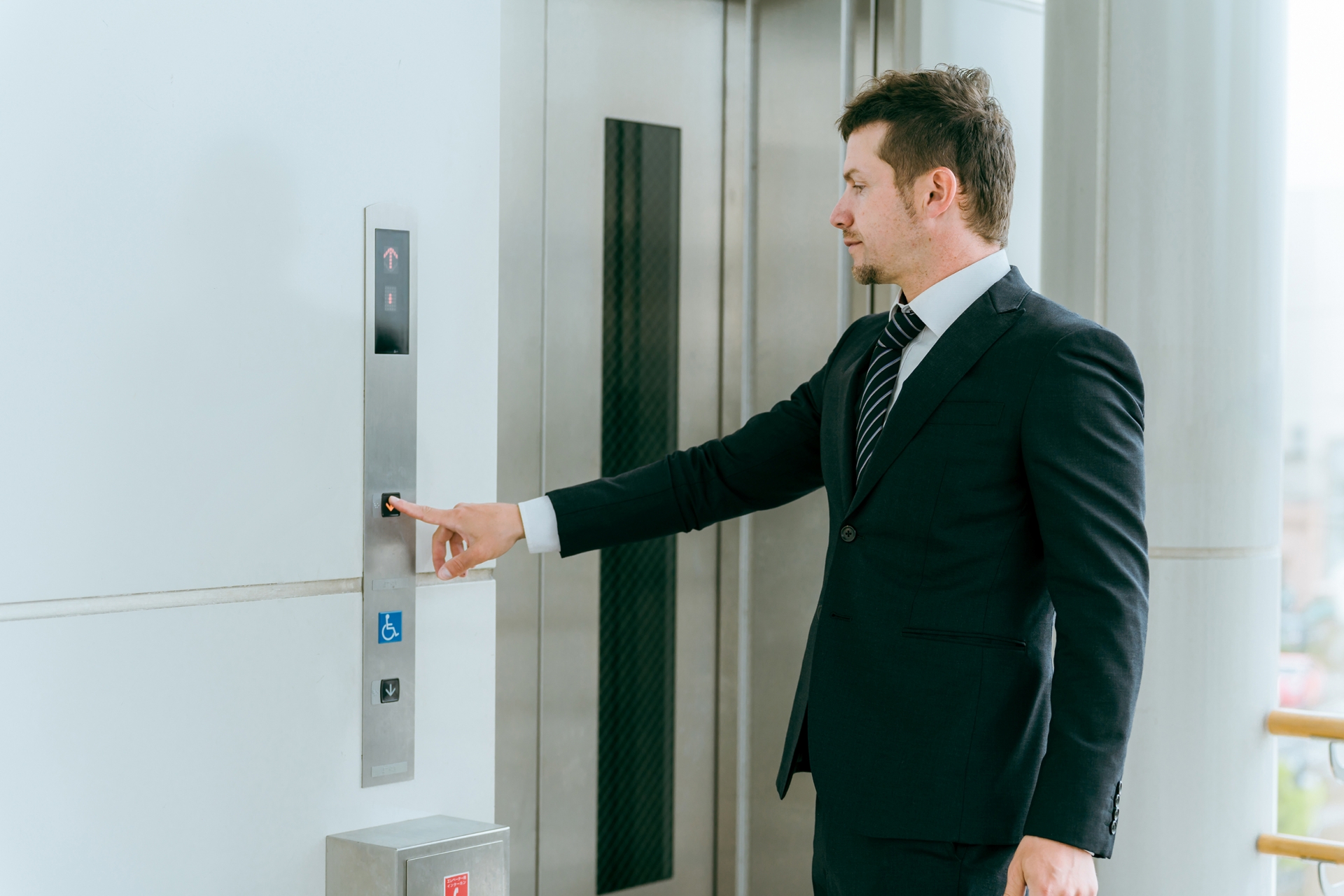
The typical duration of a residential lease contract is two years. But do you really have to commit to the full two years? And what happens if you need to terminate the contract early? This article will thoroughly explain the process of terminating a lease contract midway. Whether you're considering termination or planning to lease a property in the future, this information will be helpful. Please read on.


1. Can you terminate a rental property lease midway?

Let's start by addressing whether you can terminate a rental property lease midway.


(1) A 2-year contract doesn't mean you have to stay for 2 years.

When you hear "2-year contract," it's easy to assume that you must stay for the entire duration. However, think of it as having the right to stay for two years rather than an obligation. While it's typical to continue renting throughout the contract period and renew or terminate the contract at the renewal date, rental contracts usually include a termination clause. Therefore, you can generally terminate the contract by giving notice within the specified period.


(2) Rental properties can generally be terminated midway.

In other words, it's possible to terminate a rental property lease midway. There are two common types of rental contracts: ordinary lease contracts and fixed-term lease contracts. Both types typically allow for mid-term termination.

 
In the case of an ordinary lease contract, if you want to continue living in the property for more than two years, you can do so by "renewing" the contract for another two years. However, the tenant must pay renewal fees, administrative fees, and insurance premiums. On the other hand, with a fixed-term lease contract, renewal is generally not possible.

 
Since landlords earn income by renting out properties, offering a two-year contract ensures stable rental income for that period, while tenants are guaranteed the right to live in the property for the agreed-upon duration by paying the contract fee. However, if a tenant requests termination, the landlord cannot refuse it.

 
This is only the tenant's perspective; termination by the landlord is not recognized without just cause. Just cause may include instances where the tenant repeatedly fails to pay rent, violating the terms of the contract, etc.

2. Points to note when terminating a lease midway

Now, let's discuss what to consider when terminating a lease midway.


(1) How many months' notice is required for termination?

Rental contracts specify a notice period for termination. In most cases, it's either two months or one month. This means that you must notify your intention to terminate the contract two or one month before the desired termination date. Be sure to check the details in the contract, as it will be explicitly stated.


(2) Are there any penalties for early termination?

Some rental contracts include penalties for early termination as a special provision. Important terms such as "If the tenant terminates the contract in less than a year, the tenant shall pay a penalty equivalent to one month's rent" may be stated in the explanatory documents or notes of the contract. Since this is crucial information in the event of mid-term termination, be sure to check it.


(3) Is it okay to notify termination by phone?

Since the termination notice period is typically one or two months before the end of the contract period, oral communication may not leave evidence, potentially leading to disputes. When signing the contract, a termination notice form should be included. If it's missing, contact the management company to have it mailed to you or download it from their website. The method of termination notice is detailed in the contract, so be sure to confirm it.

3. Can you terminate immediately?

In cases of sudden job transfers or emergencies, you may need to vacate and move out immediately. Is immediate termination possible?


(1) What is immediate termination?

Immediate termination refers to terminating the contract right away. The requirements for immediate termination include the landlord's consent, payment of penalties, including breach fees, and vacating the property, including moving out belongings. It's not possible to unilaterally terminate the contract, nor is it possible to terminate the contract while leaving belongings behind.


(2) What are the costs associated with immediate termination?

The costs associated with immediate termination include rent and management fees for the notice period. If the notice period is two months, you'll need to pay two months' rent and management fees, and if it's one month, you'll need to pay one month's rent and management fees. Additionally, if the property has a penalty for short-term termination and it falls within the specified period, you'll need to pay the penalty separately. By paying the rent and management fees for the notice period, if the period expires, the payment of the penalty for short-term termination may be waived. In such cases, consult with the management company.

4. What happens to the rent if you terminate halfway through the month?

When terminating the lease halfway through the month, what happens to the rent? Do you have to pay until the end of the month?


(1) Payment for the prorated period until the termination date

Rental contracts often start in the middle of the month. Rent and management fees are typically prorated, so you'll need to pay the prorated rent and management fees until the termination date. The calculation method for prorated fees varies depending on the management company or landlord, with some dividing by the number of days in the month and others using a fixed "30-day" calculation. Be sure to check the details in the contract.


(2) How are rent payments and settlements handled?

Regarding the final month's rent, you may be asked to pay only the prorated amount or the full monthly rent, depending on the situation. Even if the full monthly rent is requested, rent and management fees are still prorated. Therefore, any excess payment will be refunded during the settlement at the time of vacating. Security deposit settlement refers to the return of the remaining amount from the security deposit deposited at the time of signing the contract, after deducting expenses for restoration to the original condition (such as room cleaning fees, etc.). Depending on the contract, the refund may be made within one month after termination or within 45 days. This information is also stated in the contract, so be sure to check it carefully.

5. What to consider when choosing a property! Which properties are more likely to incur penalties?

The most significant concern when terminating a rental property lease midway is the penalty for early termination. So, what types of properties are more likely to incur penalties?


(1)Zero Key Money Properties

There is a tendency for properties with zero key money or reduced initial costs to have penalties for early termination. Landlords often want to recoup the reduced initial costs through rent. If the lease is terminated early, there is no way to make up for it. Therefore, landlords hedge this risk with penalties for early termination. Be sure to check if there are any penalties set for properties with zero key money. For properties without security deposits or key money, we explain in a related article, so please take a look.
[Related Article]
What are the disadvantages of no security deposits or key money? We've verified if it's really advantageous!


(2)Properties with Free Rent Periods

A free rent period is a period during which rent is free from the contract date. If it's one month of free rent, you don't pay rent for one month, and if it's two months, you don't pay rent for two months. Free rent periods are sometimes set by management companies as campaigns to prevent vacancies. This trend is particularly common in high-end rental properties, but many properties with free rent periods also have penalties for early termination. Be sure to check when contracting for properties with free rent periods.


(3)High-Grade Properties

High-grade properties are often operated by major corporations or real estate funds, and their performance is evaluated based on monthly vacancy rates and rental income. Therefore, they tend to dislike early termination. It's common for penalties to be set as a means to prevent early termination, so it's essential to check the contract terms.

Finally...

This article discussed whether you can terminate a two-year lease for a rental property midway and whether there are penalties. Just because it's a two-year contract doesn't mean you have to stay for two years; it's surprising how little-known this fact is. When terminating mid-term, be mindful of the notice period and early termination penalties. Also, consider the restoration of the property upon leaving. Even if you need to terminate the lease due to sudden circumstances, don't rush; first, check the contract documents and proceed with the procedures. Thank you for reading until the end.

Investigating the Safety of Shinagawa Ward by Neighborhood
Investigating the Safety of Shinagawa Ward by Neighborhood
When choosing a property for rent or purchase, the safety of the neighborhood is a significant concern. Naturally, you want to move to a place with good security. Properties close to the station are always popular, but areas near stations tend to have higher foot traffic and, consequently, lower safety compared to residential areas. In such cases, choosing a property with robust security features is advisable. This article examines crime rates by neighborhood in Shinagawa Ward. Understanding the characteristics of each area will help ensure a safe and comfortable new life.

Reference: Metropolitan Police Department crime statistics by district and type of crime (2021)
: Shinagawa Ward household and population data - monthly table by district and neighborhood


1. What is the Overall Crime Rate in Shinagawa Ward?

We investigated the number of crimes in Tokyo's 23 wards in 2021. Shinagawa Ward ranked fifth in terms of the lowest number of crimes, with a total of 1,818 incidents. This suggests that Shinagawa is one of the safer wards in the 23 wards of Tokyo.

 
2021 Crime Rates in Tokyo's 23 Wards

Rank Ward Number of Crimes
1 Bunkyo 808
2 Arakawa 1078
3 Meguro 1417
4 Sumida 1817
5 Shinagawa 1818

 
Reference: Metropolitan Police Department crime statistics by district and type of crime (2021)

2. Top 10 Safest Neighborhoods in Shinagawa Ward

Let's quickly unveil the top 10 safest neighborhoods in Shinagawa Ward! The rankings are based on the number of crimes per household in each neighborhood, with lower numbers indicating higher safety. Crime statistics are sourced from the "2021 Metropolitan Police Department crime statistics by district and type of crime", and household numbers are from the "Shinagawa Ward household and population data - monthly table by district and neighborhood as of March 1, 2022."


2-1.The Safest Neighborhood in Shinagawa Ward: No. 1 Higashi-Oi 4-Chome


The safest neighborhood in Shinagawa Ward is Higashi-Oi 4-Chome! Congratulations. Higashi-Oi 4-Chome is located about a five-minute walk straight down Oi Ginza Street. This area features Oi Park and even has an ancient burial mound, though it's hard to spot. Beyond the area lined with restaurants, a very calm, high-end space spreads out centered around the park.

(1) Safety in Higashi-Oi 4-Chome, Shinagawa Ward
Number of households: 1,318
Number of crimes: 1
Crimes per household: 0.00076

(2) Crime Statistics in Higashi-Oi 4-Chome, Shinagawa Ward
Total number of crimes: 1
Serious crimes: 0
Violent crimes: 0
Burglary: 0
Non-burglary theft: 0
Others: 1

(3) Household and Population in Higashi-Oi 4-Chome, Shinagawa Ward
Number of households: 1,318
Population: 2,516
Males: 1,210
Females: 1,306

(4) Atmosphere of Oimachi Station [YouTube]


2-2.The Safest Neighborhood in Shinagawa Ward: No. 2 Togoshi 4-Chome


The second safest neighborhood in Shinagawa Ward is Togoshi 4-Chome! Congratulations. Togoshi 4-Chome is located between Togoshi Station and Togoshi-Koen Station. Beyond Togoshi 4-Chome are Bunko no Mori Park and Togoshi Park, giving the area a fresh feel. The Togoshi Ginza Shopping Street is also nearby, making shopping very convenient. There are Ozeki Togoshi Park Store and OK Store along National Route 1 a short walk away. Despite being close to the station and having many shops, the low crime rate strongly reflects the area's safety. The rental prices in this area are stable, making it highly recommended!

(1) Safety in Togoshi 4-Chome, Shinagawa Ward
Number of households: 1,161
Number of crimes: 1
Crimes per household: 0.00086

(2) Crime Statistics in Togoshi 4-Chome, Shinagawa Ward
Total number of crimes: 1
Serious crimes: 0
Violent crimes: 0
Burglary: 0
Non-burglary theft: 0
Others: 1

(3) Household and Population in Togoshi 4-Chome, Shinagawa Ward
Number of households: 1,161
Population: 2,005
Males: 1,210
Females: 1,306

(4) Atmosphere of Togoshi Ginza Station [YouTube]


2-3.The Safest Neighborhood in Shinagawa Ward: No. 3 Toyocho 3-Chome


The third safest neighborhood in Shinagawa Ward is Toyocho 3-Chome! Congratulations. This is the second entry for the Togoshi Park area! It’s located south of Togoshi Park Station on the Oimachi Line, and there are many rental apartments in the area. Being very close to the station, residents can easily access the Togoshi Park Street Shopping District. The low crime rate in such a conveniently located area highlights the excellent safety of the Togoshi Park area.

(1) Safety in Toyocho 3-Chome, Shinagawa Ward
Number of households: 770
Number of crimes: 1
Crimes per household: 0.00130

(2) Crime Statistics in Toyocho 3-Chome, Shinagawa Ward
Total number of crimes: 1
Serious crimes: 0
Violent crimes: 0
Burglary: 0
Non-burglary theft: 0
Others: 1

(3) Household and Population in Toyocho 3-Chome, Shinagawa Ward
Number of households: 770
Population: 1,438
Males: 679
Females: 759


2-4.The Safest Neighborhood in Shinagawa Ward: No. 4 Ebara 7-Chome


The fourth safest neighborhood in Shinagawa Ward is Ebara 7-Chome! Congratulations. Ebara 7-Chome is a residential area located between Nishi-Koyama and Senzoku Stations on the Meguro Line, and Hatanodai Station on the Oimachi Line. It’s about a 10-minute walk to either station, making it very convenient. The area’s western side features Takai Road, a famous spot for cherry blossoms. The nearby Showa University Hospital adds to the sense of security. Additionally, Ebara 7-Chome is part of the popular No. 2 Enzan Elementary School district, a notable school in the area. The Summit Nishi-Koyama Store is also nearby for convenient shopping. The proximity to Musashi-Koyama is another plus.

(1) Safety in Ebara 7-Chome, Shinagawa Ward
Number of households: 1,387
Number of crimes: 2
Crimes per household: 0.00144

(2) Crime Statistics in Ebara 7-Chome, Shinagawa Ward
Total number of crimes: 2
Serious crimes: 0
Violent crimes: 1
Burglary: 0
Non-burglary theft: 1
Others: 0

(3) Household and Population in Ebara 7-Chome, Shinagawa Ward
Number of households: 1,387
Population: 2,729
Males: 1,315
Females: 1,414

(4) Atmosphere of Takai Road


2-5.The Safest Neighborhood in Shinagawa Ward: No. 5 Koyama 7-Chome


The fifth safest neighborhood in Shinagawa Ward is Koyama 7-Chome! Congratulations. Koyama 7-Chome is located on the east side of Senzoku Station, known for its luxury residential area. The presence of the Ebara Police Senzoku Substation in the area adds a sense of security. The Senzoku area is recognized for its safety, with Senzoku 1-Chome and 2-Chome also ranking high in safety. The station is quite modest with few shops, but it’s a walkable distance to Nishikoyama, Hatanodai, and Ookayama. Despite having few shops, the area is still very convenient. From Senzoku Station, you can catch the "Shibu 71" Tokyu Bus line to Shibuya Station, passing through Meguro Street near Gakugei University, Komazawa Street near Yutenji, Nakameguro, and Daikanyama, all the way to Shibuya Hikarie. This is particularly handy for shopping trips with heavy loads.

(1) Safety in Koyama 7-Chome, Shinagawa Ward
Number of households: 653
Number of crimes: 1
Crimes per household: 0.00153

(2) Crime Statistics in Koyama 7-Chome, Shinagawa Ward
Total number of crimes: 1
Serious crimes: 0
Violent crimes: 0
Burglary: 0
Non-burglary theft: 0
Others: 1

(3) Household and Population in Koyama 7-Chome, Shinagawa Ward
Number of households: 653
Population: 1,316
Males: 592
Females: 724

(4) Atmosphere of Senzoku Station


2-6.The Safest Neighborhood in Shinagawa Ward: No. 6 Nishi-Nakanobu 3-Chome


The sixth safest neighborhood in Shinagawa Ward is Nishi-Nakanobu 3-Chome! Congratulations. Nishi-Nakanobu 3-Chome is a residential area located between Hatanodai Station on the Ikegami Line and Ebara-Nakanobu Station, and Ebara-cho and Nakanobu Stations on the Oimachi Line. It’s a very convenient area, with any of these stations being just a 5 to 10-minute walk away. Hatanodai Station features many retro shops and delicious eateries, while Saizeriya and Bamiyan on Nakahara Street are nearby, offering plenty of dining options. Additionally, the area is well-positioned for easy access to supermarkets like Ozeki at Ebara-cho and Bunkado at Nakanobu.

(1) Safety in Nishi-Nakanobu 3-Chome, Shinagawa Ward
Number of households: 1,206
Number of crimes: 2
Crimes per household: 0.00166

(2) Crime Statistics in Nishi-Nakanobu 3-Chome, Shinagawa Ward
Total number of crimes: 2
Serious crimes: 0
Violent crimes: 0
Burglary: 0
Non-burglary theft: 2
Others: 0

(3) Household and Population in Nishi-Nakanobu 3-Chome, Shinagawa Ward
Number of households: 1,206
Population: 2,246
Males: 1,104
Females: 1,142

(4) Atmosphere of Hatanodai Station


2-7.The Safest Neighborhood in Shinagawa Ward: No. 7 Nakanobu 6-Chome


The seventh safest neighborhood in Shinagawa Ward is Nakanobu 6-Chome! Congratulations. Nakanobu 6-Chome is located near Ebara-cho and Nakanobu Stations on the Oimachi Line, and Magome Station on the Asakusa Line. The green path to Ebara-cho Station’s Ozeki supermarket makes shopping very convenient. The Nakanobu area is also known for having many famous ramen shops.

(1) Safety in Nakanobu 6-Chome, Shinagawa Ward
Number of households: 1,760
Number of crimes: 3
Crimes per household: 0.00170

(2) Crime Statistics in Nakanobu 6-Chome, Shinagawa Ward
Total number of crimes: 3
Serious crimes: 0
Violent crimes: 1
Burglary: 0
Non-burglary theft: 1
Others: 1

(3) Household and Population in Nakanobu 6-Chome, Shinagawa Ward
Number of households: 1,760
Population: 3,017
Males: 1,443
Females: 1,574

(4) Atmosphere of Ebara nakanobu Station


2-8.The Safest Neighborhood in Shinagawa Ward: No. 8 Oi 3-Chome


The eighth safest neighborhood in Shinagawa Ward is Oi 3-Chome! Congratulations. Oi 3-Chome is located between Nishi-Oi Station on the Sobu Line and Oimachi Station on the Keihin-Tohoku Line and Oimachi Line. By following the beautiful Hikari Street, you can reach either Oimachi Station or Nishi-Oi Station. Just to the north of the area is the retro and charming Tokyo Bathhouse. Although now replaced by an apartment building, the former residence of Hirobumi Ito was also in this area. With its proximity to both JR stations and excellent safety, this area comes highly recommended.

(1) Safety in Oi 3-Chome, Shinagawa Ward
Number of households: 2,594
Number of crimes: 5
Crimes per household: 0.00193

(2) Crime Statistics in Oi 3-Chome, Shinagawa Ward
Total number of crimes: 5
Serious crimes: 0
Violent crimes: 1
Burglary: 1
Non-burglary theft: 3
Others: 0

(3) Household and Population in Oi 3-Chome, Shinagawa Ward
Number of households: 2,594
Population: 5,188
Males: 2,571
Females: 2,617


2-9.The Safest Neighborhood in Shinagawa Ward: No. 9 Toyocho 5-Chome


The ninth safest neighborhood in Shinagawa Ward is Toyocho 5-Chome! Congratulations. Toyocho 5-Chome is located between Togoshi Park Station and Nishi-Oi Station. Despite being close to the stations, it offers a very peaceful residential environment. To the northwest, there is a shopping street that extends from Togoshi Park Station, making shopping and dining very convenient. Heading south, you can reach the area in front of Nishi-Oi Station, where more shops are available. The rental prices are also relatively stable, making it a desirable area to consider.

(1) Safety in Toyocho 5-Chome, Shinagawa Ward
Number of households: 928
Number of crimes: 2
Crimes per household: 0.00216

(2) Crime Statistics in Toyocho 5-Chome, Shinagawa Ward
Total number of crimes: 2
Serious crimes: 0
Violent crimes: 1
Burglary: 0
Non-burglary theft: 1
Others: 0

(3) Household and Population in Toyocho 5-Chome, Shinagawa Ward
Number of households: 928
Population: 1,675
Males: 813
Females: 862


2-10.The Safest Neighborhood in Shinagawa Ward: No. 10 Nishi-Oi 4-Chome

The tenth safest neighborhood in Shinagawa Ward is Nishi-Oi 4-Chome! Congratulations. Nishi-Oi 4-Chome is situated between Magome Station on the Asakusa Line, Nishi-Oi Station on the Sobu Line, and Omori Station on the Keihin-Tohoku Line. To the east of the area lies the Sanno district, a renowned luxury residential area in Ota Ward. Along Kan-Nana Street to the south is Life Magome store, which is convenient for shopping. You can reach Omori Station either by passing through Sanno or by following German Street. The area offers the luxury of being within walking distance of JR stations while maintaining a high level of safety.

(1) Safety in Nishi-Oi 4-Chome, Shinagawa Ward
Number of households: 1,784
Number of crimes: 4
Crimes per household: 0.00224

(2) Crime Statistics in Nishi-Oi 4-Chome, Shinagawa Ward
Total number of crimes: 4
Serious crimes: 0
Violent crimes: 2
Burglary: 0
Non-burglary theft: 0
Others: 2

(3) Household and Population in Nishi-Oi 4-Chome, Shinagawa Ward
Number of households: 1,784
Population: 3,588
Males: 1,804
Females: 1,784

(4) Atmosphere of Omori Station

Finally...

That concludes our investigation into the safety of Shinagawa Ward, broken down by neighborhood names!
As expected, areas with a high concentration of non-residents, such as places near stations or supermarkets, tended to have higher crime rates. Once again, we realized that choosing a property close to a station means living closer to the bustling city center.
Lifestyles vary from person to person.
We hope this article serves as a reference for considering factors like area and property security.
If you're looking for a property in Shinagawa Ward, please feel free to consult with Balleggs.
We have knowledgeable staff familiar with the neighborhoods and properties.
In Shinagawa Ward, we have the Musashikoyama and Hatanodai branches.
Thank you for reading until the end.

How to Pass Rental Screening? A Thorough Explanation of Rental Screening!

How to Pass Rental Screening? A Thorough Explanation of Rental Screening!

After finding a rental property and submitting an application, the next step is the screening process. Ideally, you want this to go smoothly. Here, we will thoroughly explain the rental screening process, including the criteria, required documents, and the steps involved. With proper preparation, there is no need to worry. Let's get ready and proceed confidently.


1. What is Checked During a Rental Screening?

Not everyone can rent a property; only those who pass the screening process can. The screening checks if you can reliably pay the rent, if a guarantor can cover for you if necessary, and if you are likely to avoid causing problems after moving in.

Landlords need to ensure that tenants will pay the rent on time and have a guarantor if the tenant cannot pay. They also want to avoid tenants who might cause frequent issues like noise or garbage problems. The screening process addresses these concerns to reduce potential problems.

The screening is typically conducted by the property management company based on the application and required documents submitted by the applicant. Sometimes, landlords entrust the management company with this task.


(1) Ability to Pay Rent

The first criterion in the screening process is your ability to pay the rent. This is judged based on whether the rent is affordable relative to your income. For salaried employees, income is verified through documents like the tax withholding slip, and for self-employed individuals, through tax return documents.

Generally, the acceptable rent is considered to be between 1/40 to 1/48 of the annual income or 1/3 to 1/4 of the monthly income. However, the ability to pay is not judged solely on income but also on factors like your employer, length of employment, family structure, and age.

While the screening criteria are set conservatively, it is important to note that the suitable rent for living is often considered to be between 1/3 to 1/4 of your net monthly income (after deductions like social insurance and taxes). Therefore, the gross income (before deductions) should be about 15% to 25% higher than the net income.

For a property with a monthly rent of 70,000 yen, the annual income guideline is between 2,800,000 yen and 3,360,000 yen, with a monthly gross income of approximately 230,000 yen to 280,000 yen. On the other hand, the appropriate annual income is said to be between 3,290,000 yen and 3,950,000 yen, with a monthly gross income of 274,000 yen to 329,000 yen. Use this as a guideline when selecting a property, and if you do not pass the screening, consider revising your rent.


(2) Can a Guarantor or Guarantor Company Be Provided?

When renting a property, you need to provide either a personal guarantor or a guarantor company. Personal guarantors are typically required to be relatives and are subject to similar income screening as the applicant. For instance, it can be difficult to pass the screening if the guarantor is retired.

If you use a guarantor company, you usually do not need a personal guarantor. The cost is generally around 50% of the monthly rent as a contract fee and an annual renewal fee of about ¥10,000. The guarantor company will check for any rent payment history issues, employment verification, and credit information. Recently, it has become common for properties to require a guarantor company, with estimates indicating this is the case for 80% to 90% of properties.


(3) Potential for Post-Move-In Problems

The screening also assesses whether the applicant is likely to cause problems after moving in. While landlords rarely meet applicants in person, the property management company evaluates the applicant's behavior during interactions, the thoroughness of the application, and the ease of communication during the screening process.

Typically, you don’t need to worry excessively about this aspect unless there are extreme issues like very poor behavior, a carelessly filled application, or unresponsiveness. The most critical aspect is the "negotiation" process. Excessive negotiation can negatively impact the landlord's perception. If you need to negotiate, do so within reasonable bounds and consult with your property management representative.


(4) Japanese Language Proficiency

When foreign nationals rent an apartment in Japan, their Japanese language ability is also considered a part of the screening criteria. Although the use of guarantee companies that cater specifically to foreign nationals has become more common, reducing language barriers during the screening process, as of 2024, many properties still prioritize applicants who can read and write Japanese and communicate in daily conversations. This is to avoid potential issues and ensure efficient communication during the tenancy. If you are concerned about your Japanese language skills, proceed while consulting with the staff.

2. What Documents are Needed for the Screening?

As previously mentioned, the rental screening checks your ability to pay rent, the presence of a guarantor, and the potential for causing issues post-move-in. These checks are supported by the documents you submit with your application. Let's explain the necessary documents for the rental screening.


(1) Application Form

The rental application form requires information about the applicant, co-occupants, and the guarantor. The landlord or property management company uses this information to make a decision during the screening process. While the exact content may vary depending on the form, it generally includes the following details. You may be asked to fill out a printed form by hand or, more commonly these days, complete an online form via a dedicated website after email verification.

 
【Applicant Information】
①Name
②Date of Birth (Age)
③Gender
④Nationality
⑤Current Address
⑥Home Phone Number
⑦Mobile Number
⑧Email Address
⑨Employer Name
⑩Employer Address
⑪Employer Phone Number
⑫Industry Type
⑬Capital
⑭Number of Employees
⑮Department
⑯Position
⑰Date of Joining
⑱Years of Service
⑲Annual Income (Pre-Tax)
⑳Previous Employment if Less Than One Year at Current Job

 
【Co-Occupant Information】
①Name
②Relationship to Applicant
③Gender
④Age
⑤Employer
⑥Annual Income
⑦Phone Number

 
【Guarantor Information】
①Name
②Date of Birth (Age)
③Gender
④Nationality
⑤Current Address
⑥Home Phone Number
⑦Mobile Number
⑧Email Address
⑨Employer Name
⑩Employer Address
⑪Employer Phone Number
⑫Industry Type
⑬Capital
⑭Number of Employees
⑮Department
⑯Position
⑰Date of Joining
⑱Years of Service
⑲Annual Income (Pre-Tax)
⑳Previous Employment if Less Than One Year at Current Job


(2) Identification Documents

①Residence card
②Passport
③My Number Card
④Student ID
⑤Driver’s License

 
You will typically be required to submit one of the above photo IDs. If the address on the ID does not match your current address, update the address beforehand or write your current address on the back of your passport. For the My Number Card, ensure that it is presented in a case that hides the My Number, as it will not be accepted otherwise.


(3) Proof of Employment

Proof of employment can be demonstrated by submitting either or both of the following:
①Employee ID Card
②Health Insurance Card


(4) Proof of Income

For proof of income, salaried employees must submit their previous year's tax withholding slip, while self-employed individuals must submit a copy of their tax return. International students need to submit the acceptance letter from your school + your parent's or your bank statement.
Though not always required during the screening, it will be necessary at the contract stage, so prepare these documents in advance. If you are newly employed or a recent graduate and have not yet received a salary, a job offer letter or an employment conditions notification detailing your salary and conditions can serve as proof of income.

 
①Previous Year’s Tax Withholding Slip
②Copy of Tax Return
③Job Offer Letter
④Employment Conditions Notification
⑤Notification of acceptance from your school + your parent's or your bank statement

3. What Documents Are Needed for a Rental Contract?

Once you pass the rental screening, the contract process typically takes place within 10 to 14 days. Since the period from screening to contract signing is quite short, it's important to prepare the necessary documents in advance.

①JUMINHYO (Resident Certificate of the Tenant *need to get it at the ward office)
②HANKO
③Guarantor’s Seal Registration Certificate
・Not required if using a guarantor company
④Guarantor’s Consent Form (provided by the real estate company)

4. The Growing Requirement for Guarantor Companies

More rental properties are now requiring the use of guarantor companies instead of individual guarantors. Currently, around 80% to 90% of rental properties mandate the use of a guarantor company. What exactly is a guarantor company, and what do they evaluate? This section will explain the role of guarantor companies and why their use is becoming more common.


(1) What is a Guarantor Company?

A guarantor company (rent guarantor company) acts in place of an individual guarantor, ensuring that the landlord receives the rent even if the tenant defaults. There are three types of guarantor companies: credit-based, association-based, and independent, each with its own characteristics.


Credit-based Companies
Difficulty: ★★★
Credit-based guarantor companies are operated by entities involved in credit transactions, such as credit card companies. They check credit information, including credit card usage history, and look for any past delinquencies. If there have been financial issues in the past 5 to 10 years, it may be difficult to pass the screening.
Major Guarantor Companies: Orico, Rent Insure, Epos, JACCS, etc.
Association-based Companies (LICC Members)
Difficulty: ★★☆
Association-based guarantor companies are members of the All Japan Rental Guarantor Association (LICC). These companies share a database of user histories, which they consult during the screening process. If there has been a rental default, the history is retained for five years after the end of the guarantor contract or the completion of repayment.
Major Guarantor Companies: Zenhoren, J-Lease, etc.
Independent Companies
Difficulty: ★☆☆
Independent guarantor companies use their own databases to check for rental delinquencies. Because their screening criteria are independent, it is generally easier to pass their screening.
Major Guarantor Companies: Japan Rental Guarantee (JID), etc.


(2) Reasons for the Increase in Guarantor Company Usage

The shift towards requiring guarantor companies is due to several reasons:


  • ・Clear and structured screening processes, including credit checks and delinquency history, reduce the risk of non-payment.
  • ・The landlord receives a rent guarantee in case of tenant default.
  • ・Guarantor companies handle legal procedures in the event of continued non-payment.
  • ・For higher rents, it can be difficult to find a relative who can act as a guarantor, and involving them often requires additional time and effort for documentation. Consequently, many applicants prefer using guarantor companies.

5. Reasons for Failing the Rental Screening

Here are some common reasons why an application might fail the rental screening:


(1) Rent is Too High Compared to Income

If the rent is deemed too high compared to your income, you might fail the screening based on insufficient payment ability. Typically, the rent should be about 1/40 to 1/48 of your annual income. For more details, refer to section (1) on assessing rent payment ability.


(2) History of Credit Card Delinquencies

For properties requiring a guarantor company, many guarantor companies will check your credit history. If you have had credit card delinquencies, these can remain on your record for 5 to 10 years. See section (1) on guarantor companies for more details.


(3) History of Rent Delinquencies

If you have previously defaulted on rent, this information will be in the database for properties requiring guarantor companies. The record can stay for about five years. Refer to section (1) on guarantor companies for more information.


(4) Excessive Negotiations

If you negotiate too much on rent or other terms, you might negatively impact the landlord’s impression and fail the screening. If there are multiple applicants, the landlord may prefer a straightforward applicant without negotiations. Be mindful that excessive negotiations can carry risks.


(5) Poor Impression on Landlord or Real Estate Agent

Though rare, a poor attitude during property viewings or interactions with real estate agents can lead to a failed screening. If the landlord fears potential trouble or unjust complaints post-move-in, they may deny your application. Maintain a polite and respectful demeanor.


(6) Low Declared Income for Self-Employed Individuals

For self-employed individuals who declare a low income to save on taxes, the screening will consider only the declared income. This can lead to a failed screening if the declared income is too low.


(7) Lack of Communication During Screening Process

If you are unresponsive during the screening process or fail to return calls, it can be interpreted as a lack of interest in the property. Even if you pass the initial screening, landlords might be concerned about future communication issues in emergencies. Always respond promptly to inquiries.


(8) Parental Opposition

If your parents, as guarantors, express opposition to your living arrangement, such as living alone or cohabiting, it can lead to a failed screening. Clear communication with your guarantors about your move is crucial to avoid misunderstandings and ensure they support your application.

6. What Can Be Done to Pass the Rental Screening?

While we have discussed reasons for failing the rental screening, there are steps you can take if your application is denied. Here are some strategies to help you pass the screening.


(1) Confirm the Reason for Rejection with the Real Estate Company

If you don’t know the reason for the rejection, you can’t address it. It might be disappointing, but you should ask the real estate company why your application was rejected.


(2) Reapply for a Property with Lower Rent

If the rejection was due to income issues, consider applying for a property with lower rent. For guidelines on rent affordability, refer to section (1) on verifying rent payment ability.


(3) Use a Different Guarantor Company for Re-screening

If you failed the screening with a credit-based guarantor company, check if you can reapply with another guarantor company. Sometimes, you may pass the screening with an association-based or independent guarantor company. Consult with the real estate company for more details. Refer to section (1) on what guarantor companies are.


(4) Use a Personal Guarantor Instead of a Guarantor Company

If you failed the guarantor company screening and the property doesn’t mandate their use, you can try using a personal guarantor. This should be a relative with sufficient income to cover the rent. If your parents are still working or if you have siblings with adequate income, consider asking them. For rent guidelines, see section (1) on verifying rent payment ability. If your personal guarantor is approved, they will need to provide a seal registration certificate, which involves some effort. Make sure to explain everything clearly when you ask them.


(5) Apply Under Your Parents’ Name

This option is mainly for younger applicants in their early 20s. You can reapply using your parents’ name, similar to how students rent properties. If your parents agree, this shifts the screening focus to them, which can be effective.

7. FAQs about Rental Screening

We’ve covered various aspects of the rental screening process. Here are answers to additional questions based on common concerns.


(1) Can You Pass the Screening if You’re Unemployed?

If you are completely unemployed with no income, you cannot pay rent. If you are living on parental support, apply under your parents’ name. If you live on part-time job earnings, present your pay slips during screening. It’s not uncommon to pass the guarantor company’s screening this way.


(2) Can You Pass the Screening Right After Changing Jobs?

If you recently changed jobs or are about to start a new job, you can pass the screening by providing an offer letter or a document outlining your employment conditions, including salary. While a short job tenure is considered, it typically isn’t a significant disadvantage.


(3) Can You Pass the Screening with a Part-time Job?

You can pass the screening with part-time employment if you provide your pay slips and pass the guarantor company’s screening. Some properties require full-time employment, so discuss this with the real estate company in advance. Generally, pay slips from the last three months are used to calculate annual income. If submitting more than three months of pay slips raises your annual income, it can be advantageous.


(4) Can You Pass the Screening with a Night Job?

You can pass the screening with a night job (e.g., in the hospitality industry) if you provide your pay slips and pass the guarantor company’s screening. Some properties do not accept this type of employment, so discuss it with the real estate company beforehand. It is illegal to falsify employment or income documents. If discovered, you could face eviction for violating the lease agreement.


(5) Is Your Partner Also Screened if You’re Living Together?

If you and your partner are living together, and both names are on the lease (joint tenancy), both of you will be screened. If only one of you is listed as the leaseholder and the other as a cohabitant, the leaseholder must have sufficient income to cover the rent. Some properties require joint tenancy for unmarried couples, so confirm this with the real estate company. Even with a single leaseholder, you may need to list your partner’s parents as emergency contacts. It’s crucial to get your partner’s parents’ approval to avoid complications. Follow proper steps when planning to live together.

 
These are the key points for understanding the rental screening process. Although the screening can be challenging, openly discussing potential obstacles with the real estate company is the best approach. Real estate companies have experience with various cases, so rely on them for assistance in finding a property that meets your needs.

Can You Cancel After Applying for a Rental Property? How Much is the Cancellation Fee?

Can You Cancel After Applying for a Rental Property? How Much is the Cancellation Fee?

During the busy rental season, many people might consider submitting an application to temporarily hold a property. However, can you cancel a rental application after submitting it? While it may seem like there’s no problem canceling before the contract is signed, there are significant risks involved. There may be cases where a cancellation fee (damages) is incurred, or the cancellation might not be possible at all. This article explains the process from application to contract and clarifies when you can cancel.


1. Can You Cancel After Applying for a Rental?

Let’s quickly address whether you can cancel after applying for a rental.


(1) Generally, You Can Cancel Until the Contract signing

In most cases, you can cancel until you sign the contract. A rental contract requires an "Explanation of Important Matters" by a qualified real estate agent. While a lease agreement can be verbally binding (consensual contract), real estate agents are required to explain important details to the tenant before finalizing the contract. Therefore, not all requirements for contract formation are met at this stage.


(2) Is There a Cancellation Fee? Will the Application Fee be Refunded?

In principle, there is no cancellation fee if you cancel the application. Some real estate companies may require a "holding deposit" or application fee, which can range from several tens of thousands of yen to one month's rent. This deposit should be treated as a holding fee and should be refunded. If a real estate company refuses to refund this deposit, it is a violation of the Real Estate Business Act (Article 47-2, Paragraph 3), and you should contact the real estate consultation office at your prefectural government to request a refund. The reason for the "in principle" note is explained in section (3) Flow from Application to Contract [Approval of Screening].


(3) Flow from Application to Contract

The process from application to contract progresses as shown below.
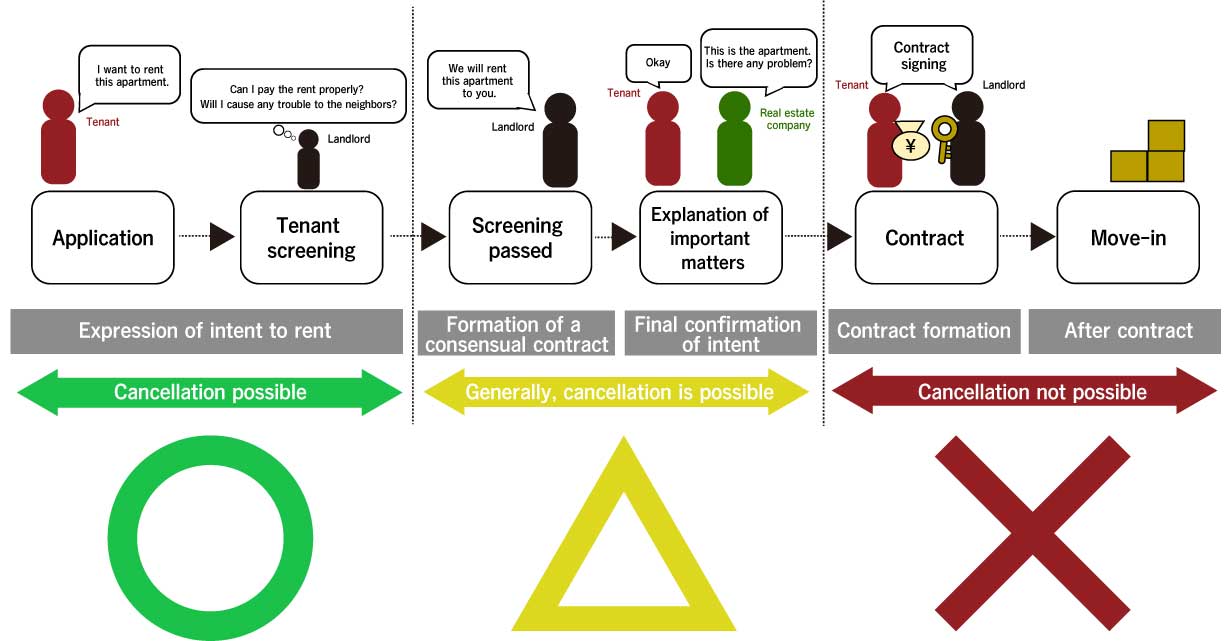
 
Application:
After viewing a property and deciding to apply, fill out the required forms and submit necessary documents for screening. You can still cancel at this stage. Detailed instructions for filling out the application are available in related articles.

 
Screening:
The landlord or management company conducts a screening based on your application. The screening checks if you can afford the rent, can provide a guarantor or use a guarantor company, and will not cause trouble after moving in. You can cancel before the screening result is out. More details on the screening process are in related articles.

 
Approval of Screening:
If you pass the screening, the landlord agrees to rent the property to you. At this point, both parties have verbally agreed (consensual contract). However, since tenants typically lack the real estate knowledge of landlords or agents, tenants are given an "Explanation of Important Matters" to make a final decision before signing the contract. Therefore, you can generally still cancel at this stage.

The term "generally" is used because, for example, if you negotiated with the landlord to install an additional air conditioner in exchange for signing the contract, and they did so, canceling afterward could result in the landlord seeking compensation for their losses. Similarly, if you asked the landlord to hold the property for two months while you returned from overseas, and then canceled at the last minute, they could seek damages for lost rent during that period. The Civil Code mandates that both parties act in good faith during contract negotiations, and failing to do so allows the landlord to claim damages. There is a precedent from the Tokyo High Court on January 31, 2008, where the tenant was found liable for such damages.

Therefore, remember that if you negotiate any terms when applying, you should not cancel without expecting potential repercussions.

 
Explanation of Important Matters:
Before signing the contract, a real estate agent provides an "Explanation of Important Matters" to help you make an informed decision. If new information arises during this explanation that changes your decision, you can still cancel. However, rejecting previously known terms at this stage is considered bad faith. Remember, the consensual contract is established at screening approval, so you cannot cancel for any reason at this stage without consequences. Details on this explanation are available in related articles.

 
Contract Formation:
After the "Explanation of Important Matters," you sign and seal the contract. At this point, your obligations to pay the contract fee and rent fee, and to occupy the property, are confirmed. You cannot cancel after the contract is formed, regardless of whether you have received the keys or paid the contract fee.

2. Can You Cancel After Signing a Lease?

Can you cancel after signing a lease agreement? As mentioned earlier, cancellations after signing the lease agreement are not allowed.


(1) Cancellations After Signing Are Considered Terminations

After signing the lease, any cancellation is considered a "termination." Rental agreements are typically for two years, so an early termination would apply. This applies even if you have not yet received the keys.


(2) Costs Incurred When Terminating a Lease

What costs might arise if you terminate the lease after signing? Here is a summary:


Item Typical Cost Refundable upon Termination
Deposit 1-2 months' rent Fully refundable before moving in
Key Money 1-2 months' rent Not refundable
Prepaid Rent 1-1.5 months' rent Refundable depending on notice period
Guarantor Company Fee 50% of monthly rent Not refundable
Agency Fee 1 month’s rent + tax Not refundable
Fire Insurance Fee 20,000-30,000 yen Partially refundable per policy
Key Exchange Fee 25,000-30,000 yen Not refundable
Short-Term Termination Fee 1-2 months' rent Applicable if stipulated in the contract

As shown, refunds for contract payments are rarely given when terminating the lease.

Is the Security Deposit Refundable?
The security deposit is intended to cover any restoration costs and unpaid rent. Therefore, if you terminate the lease before moving in, it is generally fully refundable. However, if you have moved in even once, expect to be charged for restoration costs.

Is the Key Money Refundable?
Key money is a non-refundable gratuity paid to the landlord upon signing the contract.

Is Prepaid Rent Refundable?
Most rental agreements include a clause specifying the notice period required for early termination. Rent beyond the notice period from the rent start date is generally refundable.

Is the Guarantor Company Fee Refundable?
The guarantor company fee is usually non-refundable. Check the guarantor company's terms for details.

Is the Agency Fee Refundable?
The agency fee is a commission paid to the real estate agency upon contract signing, and it is non-refundable.

Is the Fire Insurance Fee Refundable?
Fire insurance is typically aligned with the lease period, and some portion may be refundable based on the insurance company's policy upon termination.

Is the Key Exchange Fee Refundable?
If the key exchange has already occurred, do not expect a refund.

Handling of Short-Term Termination Penalty
If the lease includes a clause for short-term termination penalties, you will be liable for these additional fees.

Given these conditions, terminating a lease after signing typically does not result in significant refunds, so proceed with caution.

3. Important Considerations When Canceling a Lease

It should be clear by now that cancellations should not be taken lightly. Here are important considerations if you must cancel for unavoidable reasons.


(1) Inform Immediately

If you need to cancel, inform the relevant parties as soon as possible. The usual timeframe from application to approval is 2-4 business days, but some landlords may provide immediate approval. As noted earlier, an agreement is considered established once the application is approved, so early notification is crucial.


(2) Avoid Negotiations

If there is even a slight chance of cancellation, avoid negotiating. Especially for changes to equipment or interiors, which may incur actual costs for the landlord and lead to liability for damages. Even negotiating to postpone the contract date can result in opportunity costs for the landlord.


(3) Do Not Make Multiple Cancellations

Avoid making multiple cancellations at different real estate agencies, as the same management or guarantor company may be involved. If you apply to multiple properties simultaneously, you are unlikely to pass the screening. Remember, real estate agencies earn their commission only upon contract completion, and cancellations mean no compensation for their time and effort.


(4) Clearly Communicate the Reason for Cancellation

If you have a compelling reason for canceling, clearly communicate it to the landlord and real estate agency. Honest and transparent communication can help in obtaining their understanding.

4. Risks of Canceling a Lease

Finally, let's discuss the risks associated with canceling a lease.


(1) Risk of Future Application Rejection

Some property management companies may deny applications if you have a history of cancellations. This means you may never be able to rent from that management company again. Guarantor companies also keep records of cancellations, which can adversely affect your future applications. With 80-90% of rental properties now requiring guarantor companies, and with these companies sharing data, frequent cancellations can make it significantly harder to rent in the future.


(2) Potential Liability for Damages

As discussed multiple times, once the application is approved, an agreement is considered in place, and any actual losses incurred by the landlord can result in liability for damages. Although future losses are typically not included, any specific costs incurred by the landlord in preparation for your move-in can lead to compensation claims.


(3) Unexpected Reactions from Real Estate Agencies

Real estate agents put in significant time and effort to support you, and sudden cancellations can be frustrating for them. Since they earn their commission only upon successful contracts, a cancellation can mean working for free. While most will understand if your reasons are genuine, some agents might react negatively, so be mindful.

Finally...

This concludes our discussion on whether you can cancel a rental application and the associated fees. Knowing the timings and implications of cancellations is crucial. Being mindful of the considerations when canceling is equally important. Particularly during busy seasons, we understand it can be challenging to secure popular properties. We hope you find your ideal property and proceed smoothly to the contract stage by closely working with your real estate agent. If you're looking for properties along the Tokyu line, feel free to consult with Balleggs. Our experienced staff are ready to assist you thoroughly! Thank you for reading until the end.

Discover the Charm of Setagaya Park Through Videos and Maps! Plus Nearby Restaurants!
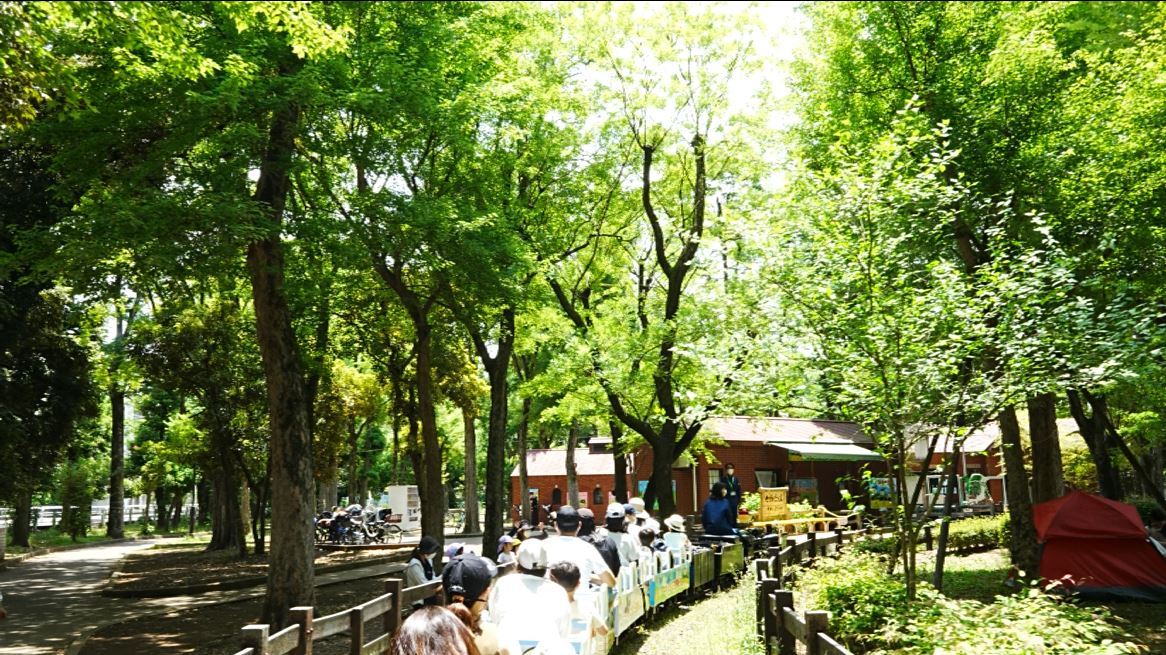
Discover the Charm of Setagaya Park Through Videos and Maps! Plus Nearby Restaurants!
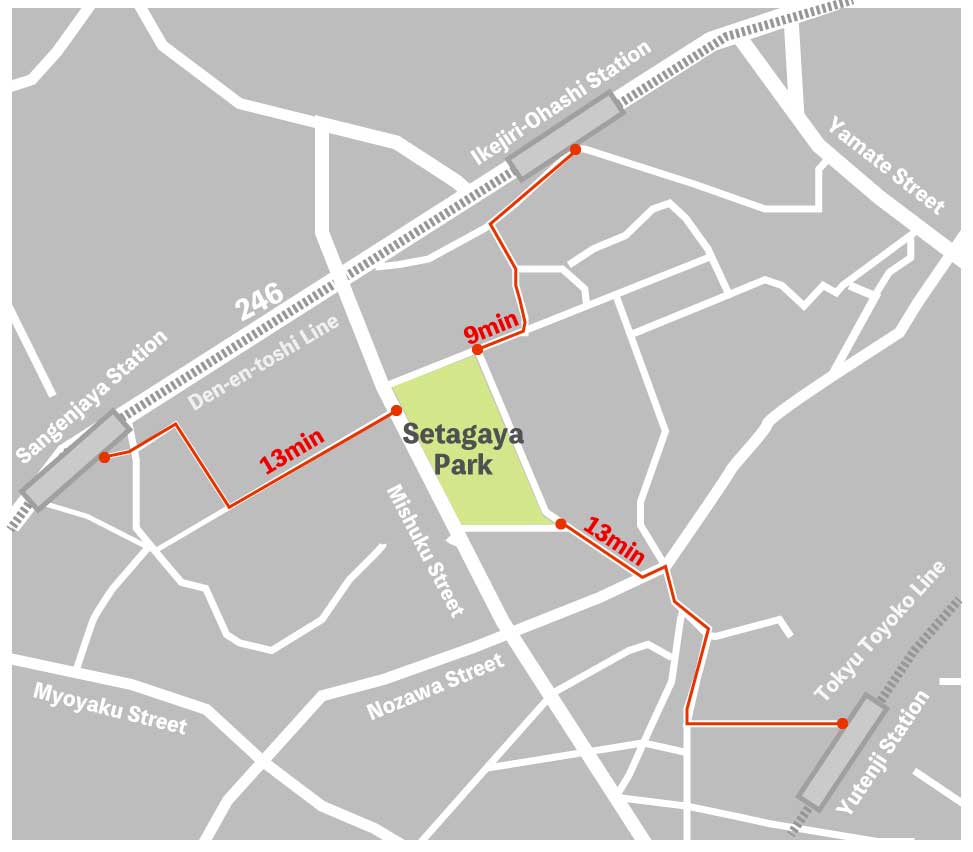
Setagaya Park, a nature-rich park located near Sangenjaya Station and Ikejiri-Ohashi Station on the Tokyu Den-en-toshi Line, and Yutenji Station on the Tokyu Toyoko Line, offers a well-equipped environment that can be enjoyed by both children and adults. This article introduces the charm of Setagaya Park through maps and videos. We encourage you to visit on a sunny holiday!


1. Access to Setagaya Park & Park Map

Setagaya Park is a 9-minute walk from Ikejiri-Ohashi Station and a 13-minute walk from Sangenjaya Station on the Tokyu Den-en-toshi Line, and a 13-minute walk from Yutenji Station on the Tokyu Toyoko Line.

Setagaya Park Map

(1) Directions to Setagaya Park (on foot)

Address: 1-5-27 Ikejiri, Setagaya-ku, Tokyo 154-0023
Tokyu Den-en-toshi Line
・Ikejiri-Ohashi Station: Exit the south exit, 9-minute walk (750m)
・Sangenjaya Station: Exit from south exit A, 13-minute walk (1km)
Tokyu Toyoko Line
・Yutenji Station: Exit the ticket gate and head north, 13-minute walk (1km)
・Gakugei-daigaku Station: Exit the west exit, 21-minute walk (1.6km)


(2) Setagaya Park Map

Long Lines on Holidays Mini SL Kinkan Three Sisters
Relax and Recline Fountain Plaza
Stimulate Independence Setagaya Play Park
A Hidden Gem? Skateboard Park
Learn While Playing Traffic Plaza
Other Excellent Facilities Outdoor Pool
Baseball Field (Soccer Field)
Tennis Courts
Archery Range

2. Long Lines on Holidays! Kinkan Three Sisters Mini Steam Locomotive


Setagaya Park Kinkan Three Sisters Mini SL

A favorite among children, the Setagaya Park Mini SL is available for rides every Wednesday, Saturday, Sunday, and on public holidays.

Especially busy on weekends! Wednesdays are less crowded, allowing many kids to ride multiple times!

Operating Days:
Wednesdays, Saturdays, Sundays, public holidays, Tokyo Citizen's Day (October 1)
During spring, summer, and winter vacations (excluding December 29 to January 3) ※Canceled in case of rain

Operating Hours:
10:00 AM - 11:50 AM, 1:10 PM - 4:00 PM (until 3:00 PM in December, January, and February)

Ticket Prices:
Adults (junior high school students and older): 100 yen
Elementary school students: 50 yen
Preschool children (below elementary school age): Free

3. Relax and Recline: The Fountain Plaza


Symbolic Fountain Plaza of Setagaya Park

The most open space in the park, very spacious Benches and grassy slopes surround the fountain.
On sunny days, families enjoy picnics, and individuals read or relax leisurely.
The highlight of the fountain plaza is the grassy slope. Lie down in the shade and watch the clouds drift by. It's a wonderfully luxurious time.
In spring, enjoy the cherry blossoms in the park. In summer, enjoy the greenery of the trees. In autumn, enjoy the fall foliage.
It’s a beautiful space to relax and feel the seasons.

4. A Place for Kids to Play Energetically: Setagaya Play Park


Setagaya Play Park

Located within the park, this play area is operated by the NPO Play Park Setagaya.
Play Park Setagaya operates based on these four messages:
1.Getting kids to play energetically outside, reclaiming the norm.
2.Playing is a form of self-growth.
3.Dedicated to play for 40 years in this city!
4.For the children of this community, there’s something you can do.
Closed: Mondays and Tuesdays
Hours: 10:00 AM - 6:00 PM
Play workers and caretakers are present.

5. A Hidden Gem? The Skateboard Park


Skateboard Park

This facility is for enjoying skateboarding, BMX, and inline skating.

Registration is required at the Setagaya Park paid facilities desk, but usage is free. It features a flat area and five section areas.

Compared to Komazawa Park, it’s less crowded and could be considered a hidden gem.

Safety Rules:
Wear helmets and pads appropriately based on skill level and situation.
Do not use the park when it’s raining or the surface is wet.
No non-skating use or dangerous activities.
No waxing the sections.
For BMX, use plastic bar ends, pegs, and pedals.
No smoking in the skateboarding area.

6. Learn Rules While Playing: The Traffic Plaza


Traffic Plaza

In this area, children can drive mini cars around a course with traffic signals and signs, allowing them to learn traffic rules while playing. Mini cars are free for children under third grade.   Hours: April to October: 9:00 AM - 5:00 PM November to March: 9:00 AM - 4:30 PM Closed: New Year's holidays and facility maintenance days There are 10 mini cars available. The Traffic Plaza also features a display of a steam locomotive (D-51).

7. Other Extensive Facilities Available

Outdoor Pool (Summer Only) Large Pool (Water Depth: 1.2m) Small Pool (Water Depth: 0.3m, 0.5m) Usage Fee (2 hours): High school students and older: ¥390 Elementary and junior high school students, and those aged 65 and older: ¥100 Softball Field Operating Hours: April to October: 6:00 AM - 9:00 PM November: 6:00 AM - 5:00 PM December to March: 9:00 AM - 5:00 PM Usage Fee: Weekdays (2 hours): ¥4,020 Weekends and holidays (2 hours): ¥4,740 Night lighting (1 hour): ¥3,300 Tennis Courts Operating Hours: April to October: 6:00 AM - 9:00 PM November: 6:00 AM - 5:00 PM December to March: 9:00 AM - 5:00 PM Usage Fee: Weekdays (2 hours): ¥2,880 Weekends and holidays (2 hours): ¥3,440 Night lighting (1 hour): ¥820 Archery Range 50m, 10 targets Operating Hours: April to October: 9:00 AM - 9:00 PM November to March: 9:00 AM - 5:00 PM Usage Fee: Weekdays (1 hour): ¥280 Weekends and holidays (1 hour): ¥360

8. Find Hidden Treasures at Setagaya Park Flea Market

One of Setagaya Park's attractions is its flea market. Held about two to three times a month, it features many vendors. Given its trendy location, you can find some great items sold by stylish vendors. Check Setagaya Ward's website for the schedule and enjoy a visit!  

Setagaya Park Flea Market

Held: About 2 to 3 times a month Number of Stalls: Around 150 Time: 10:00 AM - 3:00 PM Vendor Fees: General: Same-day payment: ¥2,800 Advance payment: ¥2,500 Members: Same-day payment: ¥2,500 Advance payment: ¥2,200

Torse

Address: 2F, 5-35-5 Shimouma, Setagaya-ku, Tokyo
Hours: 11:00 AM - 9:00 PM (Last Order: 8:00 PM)
Closed: None
A popular café on Mishuku Street, Torse is always bustling with people enjoying its photogenic sweets and delicious dishes like omelets. Located right by Setagaya Park!

Wa Kitchen Kanna

Address: 2F, 2-43-11 Shimouma, Setagaya-ku, Tokyo
Hours:
Shaved ice: 11:00 AM - 7:00 PM
Fish lunch: 11:00 AM - 2:30 PM
Closed: Wednesdays
Kanna is famous for its shaved ice on Mishuku Street. The taste, appearance, and portion sizes are outstanding. Reservations are recommended as walk-ins might not get a spot.

Moriyama Coffee Mishuku Roastery

Address: 2-44-11 Shimouma, Setagaya-ku, Tokyo
Hours: 11:00 AM - 5:00 PM
This trendy café on Mishuku Street has plenty of seating, making it easy to get a spot. From 5:00 PM to 11:00 PM, it operates as the restaurant "Grand Table," serving fresh oysters and grilled dishes.

Bistro Kirakutei

Address: 3-30-5 Ikejiri, Setagaya-ku, Tokyo
Hours: 11:00 AM - 11:00 PM
Closed: Irregular
Close to the Mishuku intersection, Bistro Kirakutei is famous for its pot-roasted curry. Besides curry, the Western dishes are also highly recommended.

Finally...

This concludes our introduction to Setagaya Park. It’s truly a luxury to have such an open space in the heart of the city. There are many other wonderful shops along Mishuku Street, so be sure to visit Setagaya Park while taking a stroll. Thank you for reading until the end.

The Pros and Cons of On-Site Property Viewings: Explaining Efficient Viewing Methods!
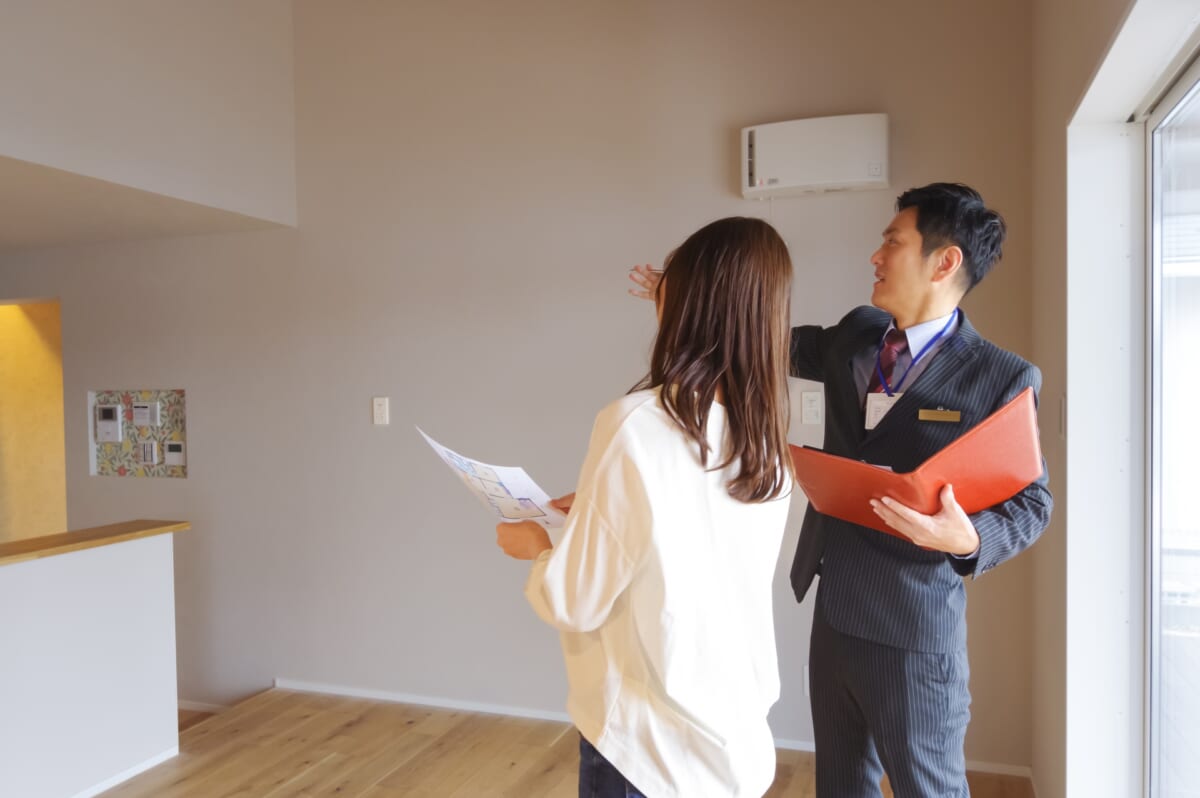
The Pros and Cons of On-Site Property Viewings: Explaining Efficient Viewing Methods!
When viewing rental properties, the option of meeting directly at the property for the viewing, known as "on-site viewings," is gaining popularity instead of visiting the real estate agency. This method is favored by those who resist prolonged interactions at the agency's office and being shown properties other than their preferred ones.

There are various benefits to on-site meetings, as well as drawbacks. In this article, we'll summarize the pros and cons of on-site property viewings and discuss efficient viewing methods. We hope this will help make your property search more efficient.


1. What are On-Site Property Viewings?

(1) Meeting Directly at the Property for a Viewing

Meeting directly at the property for a viewing means arranging to meet at the rental property without first visiting the real estate agency.

 
Typically, when viewing a property, you would first visit the real estate agency for a consultation. During this visit, you would discuss your preferences and requirements, receive property suggestions, and then proceed to view both the property you are interested in and other recommended properties.
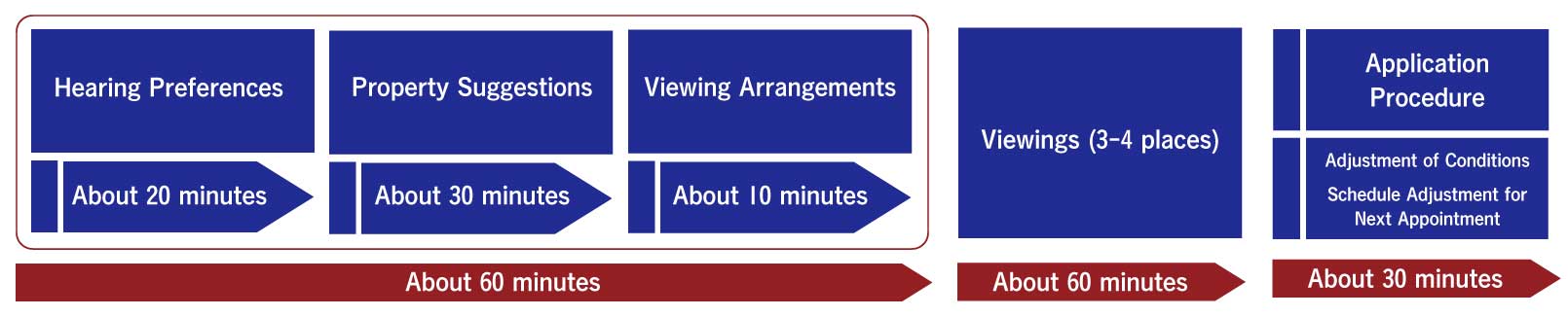


This process usually takes about an hour for the initial consultation, including listening to your requirements and organizing the property viewings. Then, viewing 2-3 properties, including the one you initially inquired about, typically takes about two hours. After the viewings, you return to the agency to either proceed with the application if you like a property or adjust your criteria and schedule another viewing, taking approximately 30 minutes. In total, this process takes around 2 to 2.5 hours.
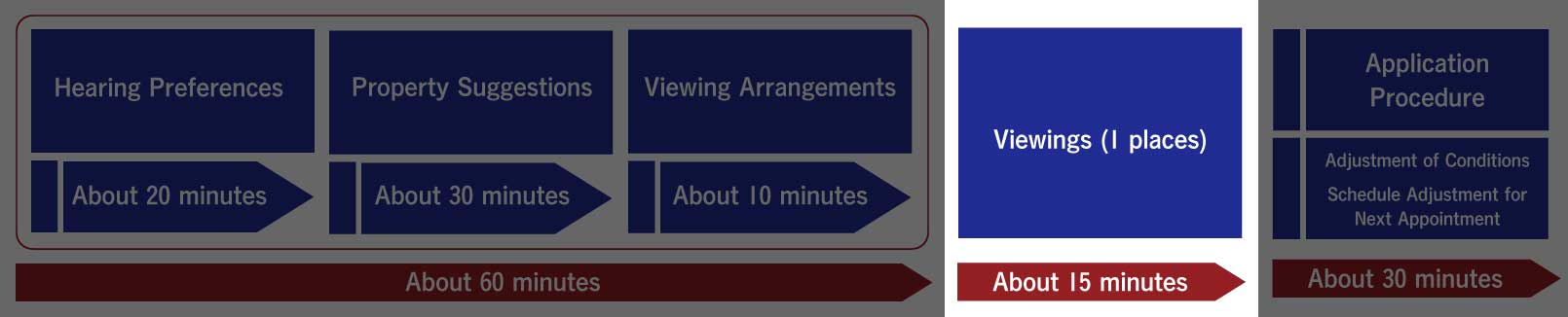


In contrast, meeting directly at the property eliminates the time spent on the initial consultation, property suggestions, and organizing the viewings. Since you only view the property you have arranged to see, you save the 60 minutes typically spent at the agency. Additionally, if you decide not to return to the agency after the viewing, you also save the 30 minutes typically spent on the application process or adjusting criteria and scheduling another viewing. This can significantly reduce the total time needed for the property viewing.


(2) Many people prefer on-site property viewings

Many people prefer on-site property viewings, where the time spent on viewings is significantly reduced, and they can see only the properties they have inquired about without being subjected to lengthy sales pitches at the shop or being shown properties other than those they are interested in.

 
However, there are both advantages and disadvantages to on-site viewings. We'll explain them in detail in the next section.

2.Advantages of On-Site Property Viewings

First, let's explain the advantages of on-site property viewings.


(1) Avoiding bait-and-switch listings

The biggest advantage of on-site property viewings is that you can avoid bait-and-switch listings. Bait-and-switch listings refer to properties that do not exist or properties for which there is no intention of transacting. Advertising false information to attract customers to the shop is illegal.

 
Ministry of Internal Affairs and Communications e-Gov: Act on Specified Commercial Transactions Article 6, Article 15, Paragraph 1, and Paragraph 2
Ministry of Internal Affairs and Communications e-Gov: Real Estate Brokerage Act Article 32

 
Since bait-and-switch listings use non-existent or untransactable properties to deceive people and attract customers, it is often impossible to view the properties. Therefore, it is unlikely that real estate agencies using bait-and-switch advertisements would opt for on-site viewings.

 
Consequently, on-site viewings can ultimately help you avoid bait-and-switch listings.


(2) Shorter viewing times

As mentioned earlier, with on-site viewings, you won't receive introductions to other properties, allowing you to view only the properties you have inquired about. Since it's common to view 3 to 4 properties in one viewing, with each viewing lasting about 10 to 15 minutes, the total viewing time is reduced to about 45 minutes.


(3) Avoiding excessive sales pressure from real estate agencies

During on-site viewings, the contact time with real estate agents is typically only about 10 to 15 minutes. Since it's common for the viewing to end on-site if the property isn't to your liking, you can avoid excessive sales pressure from real estate agencies.


(4) Examining the route to the station, walking time, and surrounding environment

When opting for on-site viewings, most people will walk from the nearest station to the property. Therefore, you can actually walk from the station to the property.

 
In contrast, when visiting a regular real estate agency before a viewing, it's common to travel by car, so you can't see the route to the station.

 
Moreover, according to the "Fair Competition Rules for Real Estate Representation," the walking distance from the station in real estate property information, including online, is set at 80 meters per minute. However, this provision does not consider differences in elevation, such as hills. By actually going on-site for viewings, you can directly see whether there are hills or the atmosphere of the neighborhood.

 
External link:Real Estate Fair Trade Council: Fair Competition Rules for Real Estate Representation

3.Disadvantages of On-Site Property Viewings

Everything has its pros and cons. Despite the significant time savings offered by on-site viewings, there are several drawbacks.


(1) Delays in applying

In the case of on-site viewings, many people want to view the property and make a decision to apply at their own pace, so it's common for the viewing to end on-site. However, if the property you viewed is popular, it's common for someone else to apply while you're considering it. If you like a property after an on-site viewing, we recommend going to the real estate agency immediately to start the application process.


(2) Difficulty navigating without local knowledge

In the case of on-site viewings, most people walk from the station to the property, but if the property is not in a large-scale apartment complex, you may get lost before reaching the site. Especially in the case of detached houses or small apartments in remote locations, it can be very difficult to find the property. Also, since there may be cases where the address is the same depending on the area, caution is required. When opting for on-site viewings, be sure to check exterior photos of the property in advance.


(3) Incurred transportation costs to the site

If the property is far from the station when opting for on-site viewings, you may also use public transportation such as buses. While it's common to use the real estate company's car for viewings after visiting a regular shop, transportation costs to the site for on-site viewings will be at your own expense, so be careful.


(4) Time-consuming for multiple viewings

If there are multiple properties to view, it will take a considerable amount of time to view them all on your own. Even if the properties are just 10 minutes from the station, they may not all be in the same direction. If they are scattered in different directions from the station, it may take 15 minutes or more to walk between properties, and you may become anxious about the time spent waiting at the next viewing location. If you plan to view multiple properties, on-site viewings may not be the most efficient method.


(5) Difficulties in narrowing down properties

Lastly, when opting for on-site viewings, it's difficult

4.Efficient Ways to Conduct Property Viewings

Based on the content so far, let me introduce you to efficient ways to conduct property viewings.


(1) Consolidate multiple property viewings into one agency if planning on-site viewings

As mentioned earlier as a drawback, conducting on-site viewings for multiple properties is inefficient. Most rental properties can be viewed through any real estate agency. It's efficient to schedule one on-site viewing and then ask for guidance on the properties you want to see from there.


(2) Prepare two recommended properties that can be viewed immediately after the on-site viewing

After conducting on-site viewings of properties, it's efficient to have several recommended properties ready for immediate viewing. These properties should be comparable to the one viewed on-site or have similar conditions.

 
If you have the time, start contacting agencies a few days before the on-site viewing, communicate your preferences, and have recommended properties introduced to you in advance. At the same time, if you have other properties you're interested in, share them as well, and discuss the properties to be viewed on the day and the order of viewings.

 
In fact, this exchange is the same as visiting a shop and having your preferences heard and property suggestions made. They should assist you in finding good properties while considering your preferences and the properties available for viewing.

 
During this communication, if they introduce properties that don't match your preferences without reason or if there's a lack of understanding of your intentions, you shouldn't expect much from their recommendations, so it's recommended to choose a different real estate agency.

Finally...

That was the article about the pros and cons of on-site property viewings and explanations of efficient viewing methods.

 
It's important to choose between on-site property viewings and other methods depending on your needs. With proper support from a real estate agency, efficient property hunting is possible.

 
When searching for rental properties along the Tokyu line, please don't hesitate to contact Balleggs. Our experienced staff with qualifications will provide thorough assistance!

 
Thank you for reading until the end.

Can’t find a parking spot for your motorcycle in a rental property? Here’s how to find one based on engine displacement!

Can't find a parking spot for your motorcycle in a rental property? Here's how to find one based on engine displacement!

Can't find a parking spot for your motorcycle in a rental property? Here's how to find one based on engine displacement!

Finding a parking spot for a motorcycle in a rental property can be quite challenging. It's one thing if it's just a hopeful wish, but for those who plan to use their motorcycle for commuting or school, or for those whose greatest joy is touring with their beloved bike, the struggle to find a suitable property can be immense. In this article, we'll explain the key points to consider when searching for a motorcycle parking spot in a rental property and provide tips on how to find one based on the engine displacement of your bike. We hope this helps all the motorcycle enthusiasts out there.


1. Why is it difficult to find a motorcycle parking spot in a rental property?

Why is it so difficult to find a motorcycle parking spot in a rental property? It seems there are many cases where there is a bicycle parking area, but motorcycles are not allowed. Let's first explain the reasons for this.


(1) Legal regulations based on the type of motorcycle

One of the main reasons why it is difficult to find a rental property with a motorcycle parking spot is the legal regulations based on the type of motorcycle.

 
These regulations include differences in traffic rules and licenses under the Road Traffic Act, and differences in registration and maintenance under the Road Transport Vehicle Act, which are all classified in detail according to engine displacement.

 
Among these, the vehicle classification by the Road Traffic Act is important for motorcycle parking spots in rental properties. Motorized bicycles with an engine displacement of 50cc or less are not classified as motor vehicles, while motorcycles with an engine displacement of more than 50cc are considered motor vehicles.

 
Motorcycles do not require a parking certificate regardless of engine displacement, making it less of a topic for debate. However, "motorcycles with an engine displacement of more than 50cc are considered motor vehicles and must be parked in designated parking spaces."

 
On the other hand, motorcycles with an engine displacement between 50cc and 125cc are defined as class 2 motorized bicycles under the Road Transport Vehicle Act. Many of them look very similar to motorized bicycles with an engine displacement of less than 50cc.

 
License plates are color-coded: white for 50cc or less, yellow for 51cc to 90cc, and pink for 91cc to 125cc. However, if you're not familiar with motorcycles, it can be difficult to distinguish between them.

 
For these reasons, especially in small rental apartments or buildings, it is common not to have designated motorcycle parking spaces.


(2) Issues That Frequently Arise

Another significant factor is the high likelihood of problems when providing motorcycle parking in rental properties.

 
1.Noise Complaints from Neighbors
Noise from motorcycles often leads to complaints from nearby residents.

 
2.Abandoned Broken Motorcycles
There are frequent issues with tenants leaving behind broken motorcycles when they move out, causing disposal problems.

 
3.Damage to and from Motorcycles
There are incidents where bicycles are blown over by the wind and damage motorcycles, and conversely, motorcycles are blown over and damage bicycles or other property.

 
4.Children Injured by Hot Motorcycles
Small children may get injured by the residual heat from parked motorcycles.

 
Due to these potential conflicts among tenants and complaints from neighbors, many landlords choose not to provide motorcycle parking in rental properties.

2. Can You Park Your Motorcycle in a Rental Property's Bicycle Parking Area?

We've discussed why it's difficult to find motorcycle parking in rental properties, but let's now delve into whether you can park your motorcycle or scooter in the designated bicycle parking area.


(1) Only 50cc or Less Scooters Might Be Allowed

As previously mentioned, motorcycles with engine displacements over 50cc are classified as "automobiles" under Japanese traffic law, and thus cannot be parked in bicycle parking areas. However, scooters with engine displacements of 50cc or less are sometimes allowed to park in these areas.


(2) You Must Obtain Permission

Even if you are parking a scooter with an engine displacement of 50cc or less, you must obtain permission from the landlord or the property management company. Unauthorized parking is strictly prohibited.

3. How to Find Motorcycle Parking for Rentals: For 50cc or Less Scooters

While it can be challenging, here’s a guide on how to efficiently find rental properties with motorcycle parking, categorized by engine displacement. Let's start with scooters of 50cc or less.


(1) Standard Search with Motorcycle Parking Filter

When searching for properties that allow parking for scooters of 50cc or less, simply use the "motorcycle parking available" filter on real estate portal sites. This filter will help you find properties that specifically cater to your needs. Most of these listings will only accommodate scooters, with parking fees ranging from free to around 1,000 to 3,000 yen per month.

For example, a search on the real estate portal SUUMO for studio apartments and 1K apartments in Tokyo’s Jonan area (Meguro, Shinagawa, Setagaya, and Ota wards) yielded 174,060 listings without filters. Adding the "motorcycle parking available" filter reduced the number to 34,224 listings, meaning 19.6% of the properties had motorcycle parking available.


With Motorcycle Parking Standard Search

Reference: SUUMO Property Search (Survey date: 2023.03.04)


(2) Negotiating in Properties with Bicycle Parking

Even if a property doesn't explicitly have a designated motorcycle parking area, you might be able to negotiate parking for your scooter if you notice other motorcycles parked during your property visit. While this isn't guaranteed—there could be unauthorized parking or no available spaces—it's worth asking the landlord or property manager if parking is permitted.

 
By understanding these points and knowing where to look, you can increase your chances of finding a rental property that accommodates your motorcycle parking needs.

4. How to Find Motorcycle Parking for Rentals: For Engine Displacements from Over 50cc to 250cc

Let's discuss how to find motorcycle parking for rentals. This time, we'll focus on motorcycles with engine displacements over 50cc but not exceeding 250cc.


(1) Most Properties Only Accommodate Small Scooters

Most rental properties that allow motorcycle parking cater only to scooters with engine displacements of 50cc or less. Considering that such properties accounted for only 19.6% of the total, searching for properties on portal sites that accommodate mid-size motorcycles can be quite challenging.


(2) Consider Searching for Parking Separately

In this case, it might be more efficient to search for motorcycle parking separately before looking for nearby rental properties. There are recommended sites where you can search for monthly motorcycle parking lots. These sites not only allow searches by station name or address but also provide maps for convenience. Additionally, they often include videos of the parking facilities, allowing you to assess factors like management, roofing, and slopes. While it's common to search for parking spaces after finding a property for cars, the opposite is true for motorcycles. Therefore, prioritize finding motorcycle parking first before looking for nearby rental properties.
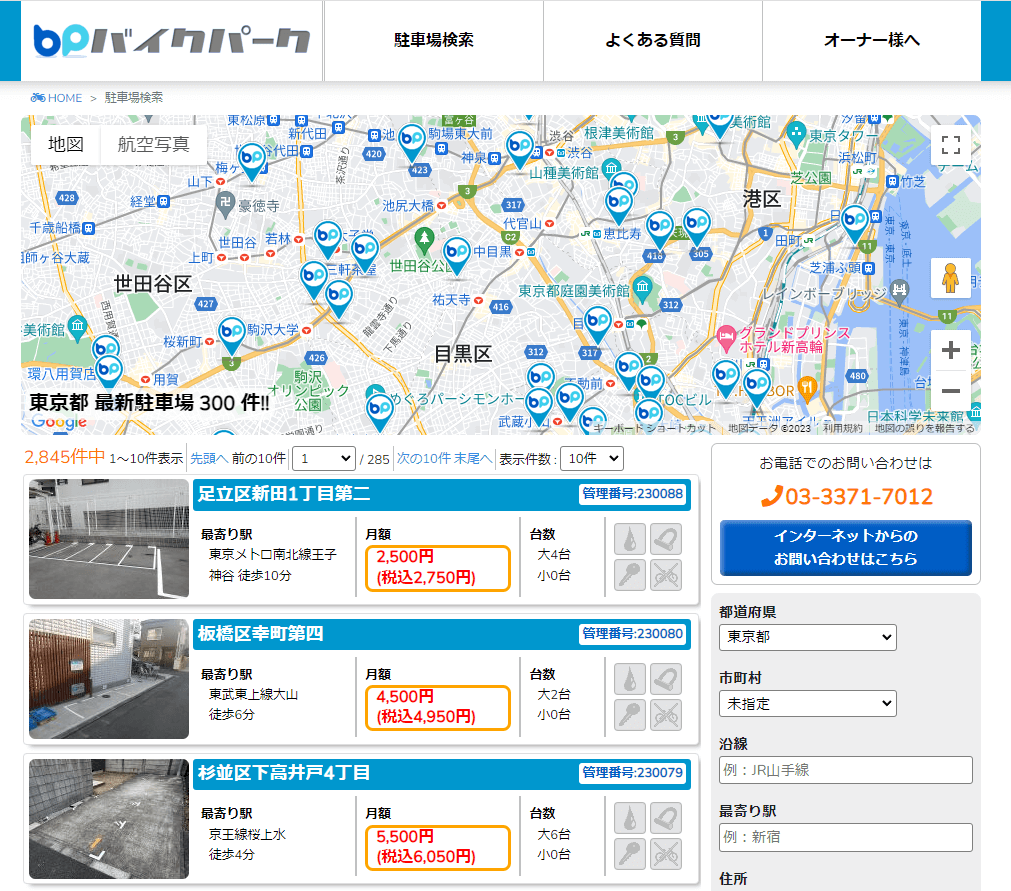
External link: bikepark homepage


(3) For Those Concerned About Properties Without Motorcycle Parking

For those who are still uneasy about properties without designated motorcycle parking, self-searching is nearly impossible. In such cases, it's advisable to leave it to real estate agents. Real estate agents can leverage their extensive databases to find properties managed by companies or landlords that offer parking for mid-size motorcycles. When making such requests, be sure to specify the make and engine displacement of your motorcycle. However, as mentioned earlier, the number of such properties is quite limited, and it requires considerable effort on the part of real estate agents. Therefore, it's essential to consider the options provided by agents seriously.

5. How to Find Motorcycle Parking for Rentals: For Engine Displacements Over 250cc

Finally, let's discuss how to find motorcycle parking for rentals for motorcycles with engine displacements exceeding 250cc.


(1) Opt for Garage Houses

Motorcycles with engine displacements exceeding 250cc are considered luxury vehicles. Especially with engine displacements over 400cc, they often command prices higher than many four-wheeled automobiles. They are not just means of transportation but can be considered partners in adventures. In such cases, it's recommended to prioritize a lifestyle centered around your motorcycle. Finding a property tailored for your beloved motorcycle should be your top priority. Garage houses designed specifically for motorcycles offer the ideal solution. With a garage house, your motorcycle is always by your side. You can perform maintenance at home, away from the elements, and if you have the time, polish your bike and embark on journeys together. It's the ultimate property.

However, finding garage houses can be challenging. While the following recommendation is limited to the Tokyo metropolitan area, here is a suggested site for finding garage houses.

 
[Tokyo Garage House]

Tokyo Garage House specializes in rental properties with garages. You can search for both automobile and motorcycle garages, and the site provides extensive photos and dimensions of the garage interiors, ensuring you find the perfect fit.

Both vacant and occupied properties are listed, allowing you to find your favorite property and wait for vacancies or search for vacant garage houses in your desired area. It's truly a lifestyle that prioritizes your beloved motorcycle.
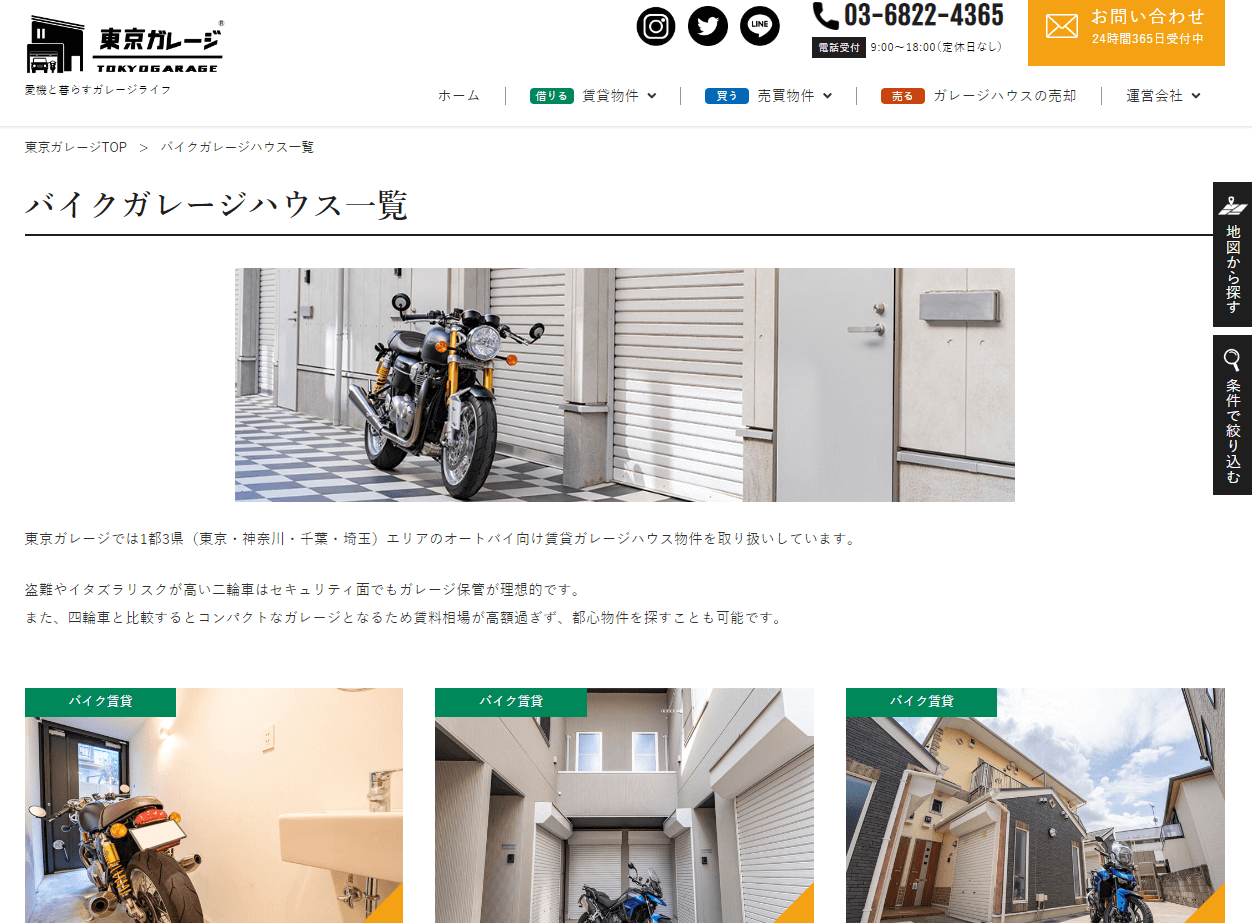

External link: Tokyo Garage House


(2) Search for Parking with Theft Insurance

If garage houses seem out of reach, consider ensuring maximum security for your motorcycle! Some companies offer monthly parking services in indoor spaces with theft insurance.

 
[Bike Parking Aidu]

Aidu is the only company in the industry that offers theft insurance for motorcycle parking. The insurance is included in the monthly fee, and they have partnered with major security firms to ensure absolute security. Moreover, all parking spaces are indoors and come with power outlets, toilets, and lockers. Searching for parking spaces with Aidu as your base is an excellent choice.
External link: Bike Parking Aidu

At the End ...

This article discussed the challenges of finding motorcycle parking in rental properties and offered solutions for various engine displacements. We hope this article has been helpful to motorcycle enthusiasts.

If you're searching for rental properties along the Tokyu Line, please don't hesitate to contact us at Balleggs. We'll thoroughly search for motorcycle parking with all hands on deck!

Thank you for reading until the end.

10 Key Points to Watch Out for During Important Matters Explanation for Rental Agreements

10 Key Points to Watch Out for During Important Matters Explanation for Rental Agreements

The "Important Matters Explanation" might seem like just another document to sign on the contract day. The language used, like "Party A" and "Party B," can be highly technical and confusing, causing your brain to start rejecting the information. However, this explanation is a crucial part of the pre-contract review process. Here, we've summarized 10 key points to pay special attention to.
If you want a quick overview, you can skip to section 3: "10 Key Points to Watch Out for During Important Matters Explanation." For a detailed understanding, refer to sections 1 and 2, which cover "What is the Important Matters Explanation?" and the main items of the explanation document.
Although the Important Matters Explanation document is a complex and technical document that real estate agents are required to explain, knowing what is written and where can significantly improve your understanding. Be sure to read this article to prepare before you receive the actual explanation.


1. What is the Important Matters Explanation?

The Important Matters Explanation is a mandatory process where the real estate company explains the details of the contract to the tenant "before the contract is signed." Once you have applied for a property and passed the tenant screening, it's time to proceed to the contract. The explanation typically happens right before the contract is signed and serves as a final review. Signing the Important Matters Explanation document does not mean the contract is finalized.

 
When searching for a property, you gather information from online listings, floor plans, and on-site visits. The purpose of the Important Matters Explanation is to confirm that there are no discrepancies between this information and the actual contract details, as well as to provide any additional information needed to make an informed decision about whether to proceed with the contract.

 
Although this explanation usually occurs on the contract day just before signing, you can request to have the documents sent to you in advance, giving you more time to review and make a thoughtful decision.

2. Main Items in the Important Matters Explanation

The Important Matters Explanation consists of three main parts:


(1) Explanation of Transaction Parties
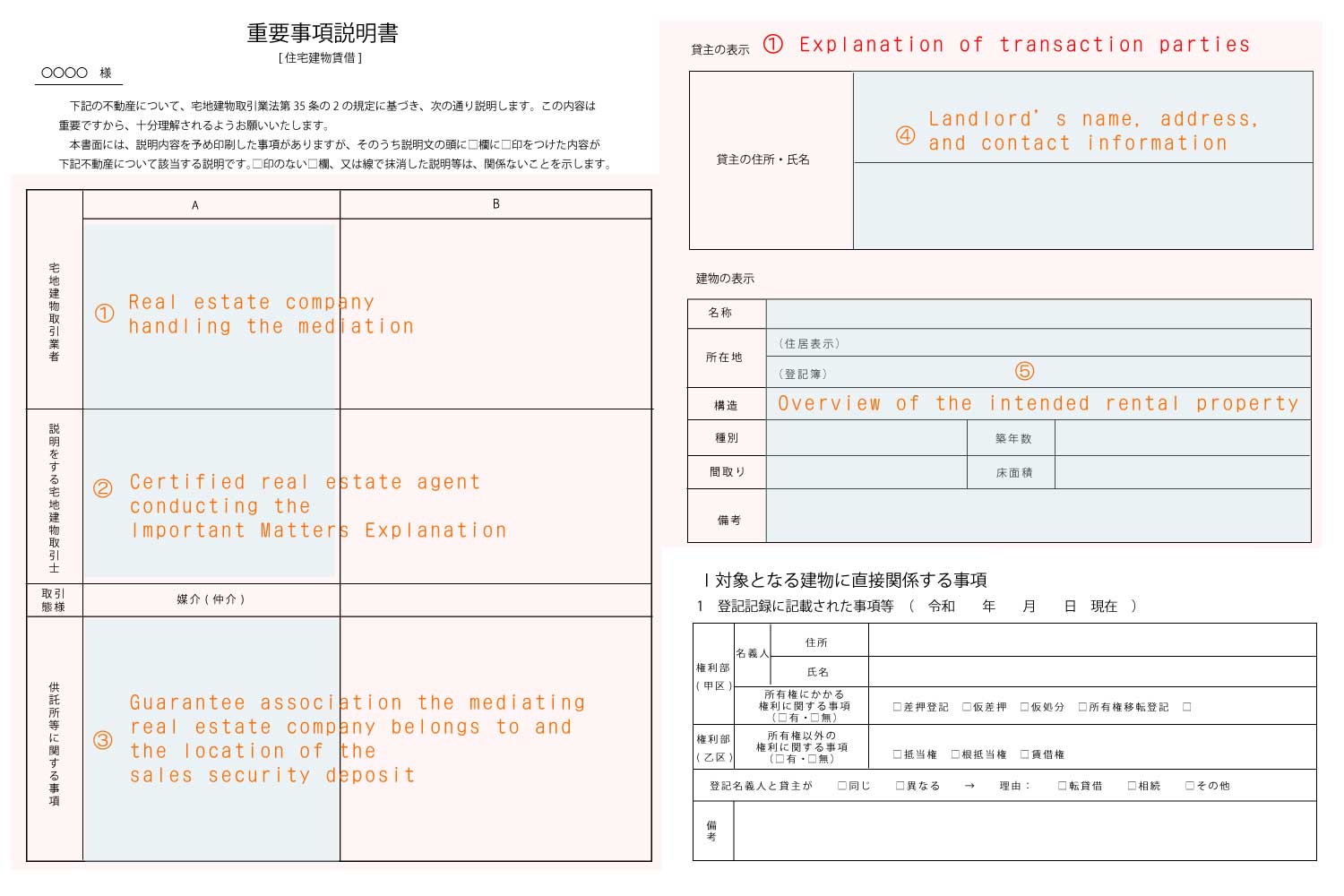
Important Matters Explanation
This section explains the real estate company (broker), the landlord, and the details of the property (such as an overview of the building).

1.Information about the real estate company, including its name, address, representative, and real estate license number.

 
2.Information about the certified real estate agent conducting the explanation, including their name, registered office, and license number.

 
3.Details about the security deposit (guarantee deposit) and where it is held.

 
4.Information about the landlord, including their name, address, and contact details.

 
5.Basic information about the property, such as its name, unit number, structure, age, layout, and floor area.


(2) Matters Directly Related to the Building
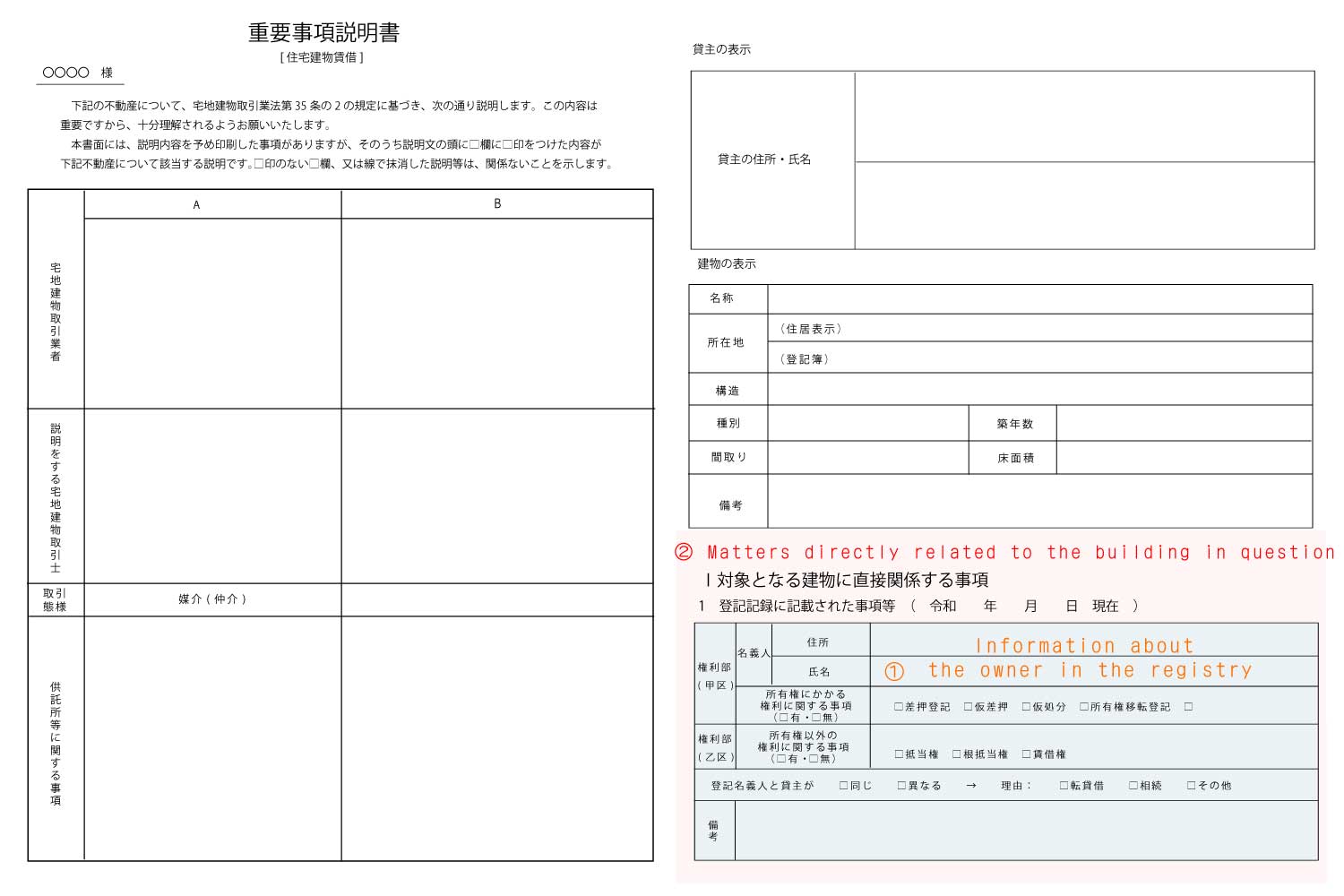
Important Matters Explanation

1.Property Ownership:
Verify if the landlord and the owner are the same person. If not, clarify their relationship. This could happen if the owner is an individual and the landlord is a company they run, or if the registration hasn’t been updated post-inheritance, or if a real estate company is subletting the property. Also, check if the property is under any foreclosure.

 
2.Hazard Zones:
Check if the property is located in a disaster-prone area such as a landslide, flood, or tsunami zone. Since August 2020, it is mandatory to explain the flood hazard map status.

 
3.Structural Assessments:
Confirm if the property has undergone earthquake resistance testing, asbestos inspection, or building condition surveys. While these checks are not compulsory for all buildings, any performed assessments should be documented. Building condition surveys are more common in property sales than rentals.

 
4.Utilities:
Verify the status of essential utilities like electricity, gas, and water (sewage). Check if the meters are individual or shared. In older properties with shared meters, tenants may pay a fixed amount for utilities directly to the landlord.

 
5.Building Facilities:
Details about the installation status of essential facilities like toilets, bathrooms, and kitchens. Information about air conditioning, TV, phone, and internet services, including any limitations on preferred internet providers. Also, check the availability and costs of parking, bicycle, and motorcycle storage.


(3) Matters Concerning Transaction Conditions
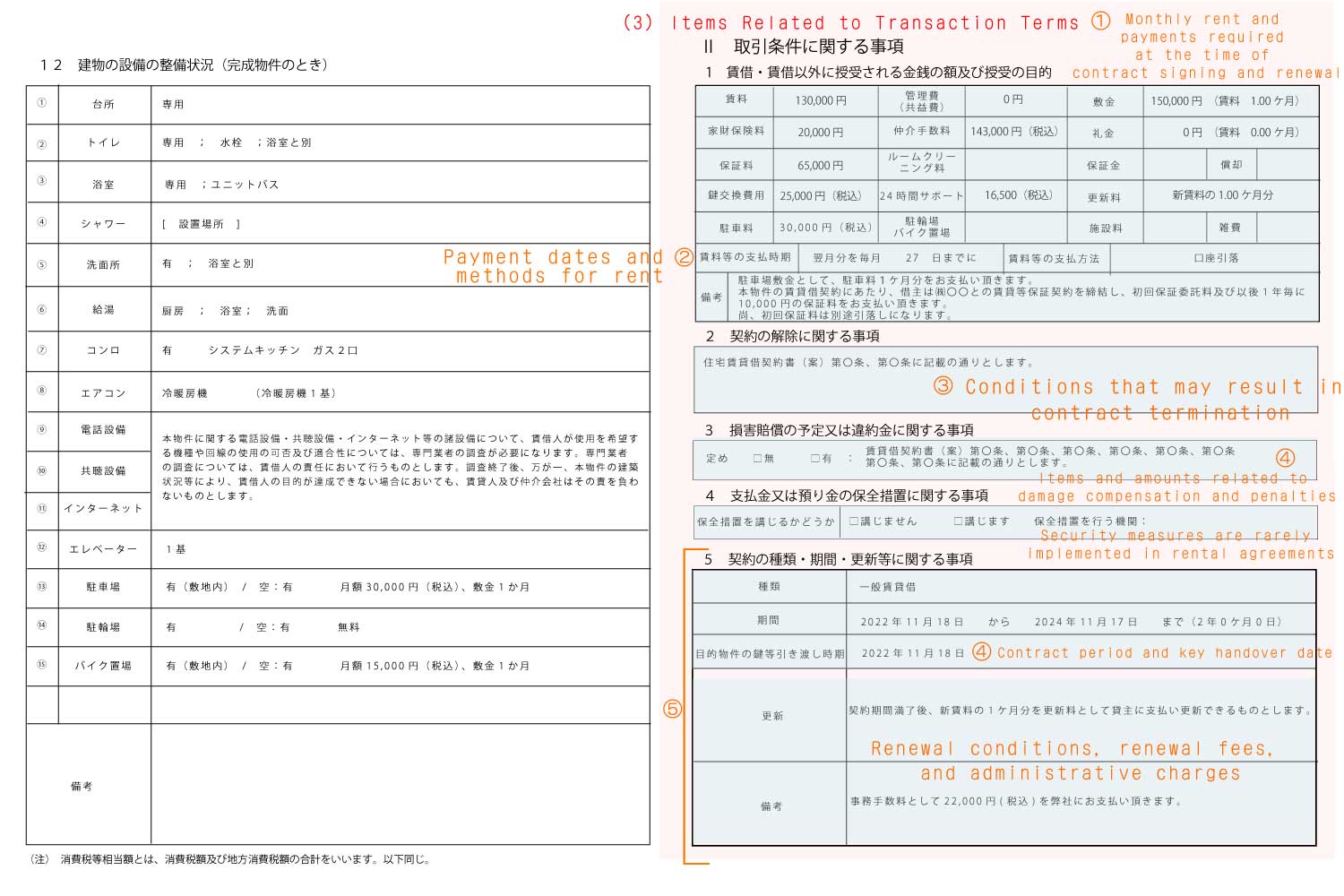
Important Matters Explanation

Important Matters Explanation
1.Rent and Additional Fees:
Confirm the monthly rent, management fees, and initial costs. If you need to join a guarantee company, check its fees and any renewal fees.

 
2.Payment Terms:
Understand the payment deadline and method for the monthly rent. If it’s through bank transfer, ensure you don’t miss payments to avoid penalties.

 
3.Contract Termination:
Review the conditions under which the contract can be terminated due to violations.

 
4.Damages and Penalties:
Understand the penalties for late rent payments, staying beyond the lease end date, or causing damage to the property through negligence or intentional actions.

 
5.Contract Duration and Renewal:
Check the contract period and renewal fees. Also, verify any administrative fees payable to the real estate company during renewal.

 
6.Property Restrictions:
Confirm if pets are allowed, including the types and number of pets. Also, check if musical instruments are permitted and any other restrictions.

 
7.Security Deposit Settlement:
The security deposit covers unpaid rent or repair costs when you move out. Understand the terms for settling this deposit. If the contract mentions non-refundable deposits, be aware of this.

 
8.Property Management:
If the landlord has delegated property management, find out which company handles it.

 
9.Special Conditions:
Review any additional notes or special terms related to the surrounding environment or the property itself.

3. Ten Important Points to Note in the Important Matters Explanation

Now, let’s explain the ten key points to pay attention to in the Important Matters Explanation!


(1) Is a Certified Real Estate Agent Conducting the Explanation?

The Important Matters Explanation must be conducted by a certified real estate agent. Ensure that the agent presenting the explanation shows their real estate transaction certificate and that their name and seal are on the Important Matters Explanation document. It’s dangerous if this requirement is not met, as it violates the Real Estate Brokerage Act.


(2) Is the Gas Supply City Gas or Propane Gas?

City gas and propane gas costs can vary significantly depending on the region, with propane gas generally being 1.5 to 2 times more expensive in the Tokyo metropolitan area. Check whether it’s listed as city gas (LN gas, LNG) or propane gas (LP gas, LPG).


(3) Are the Kitchen and Air Conditioning Fixtures or Leftover Items?

Fixtures left by previous tenants are considered leftover items, which new tenants can use freely under some agreements. Be cautious as the cost of removing these items might fall on the tenant. In one-room or one-bedroom apartments, air conditioners are often fixtures, but in larger properties with multiple rooms, only one air conditioner might be considered a fixture. Since leftover items are not considered fixtures, the landlord has no obligation to repair them if they break down due to age. Similarly, if a property is listed as having a "gas stove installable," it might mean that a gas stove left behind can be used but is not a fixture. If unwanted, discuss possible removal.


(4) How Much Are the Renewal Costs?

Knowing the renewal costs is crucial. Typically, renewal fees amount to one month’s rent. Additionally, check for administrative fees payable to the real estate company and the renewal fee for any guarantee company you joined. Fire insurance usually aligns with the rental contract period and needs to be renewed every two years.


(5) Check the Hazard Map

Since August 2020, it has been mandatory to include flood hazard map information in the Important Matters Explanation. Check this carefully, especially if the property is near the sea or rivers. Also, be mindful of greenways that might be built over former rivers.


(6) Is There a Penalty for Early Termination?

For properties with no security deposit or key money (zero-zero properties) or those offering free rent at move-in, there might be penalties for early termination within the first year. Typically, the penalty is one month’s rent. If there’s a penalty for termination within two years or if the penalty is more than two months’ rent, be aware of the potential high costs at move-out. For more details, refer to related articles about the drawbacks of no-deposit properties.


(7) Are You Aware of Any Disclosure or Negative Situations?

Disclosures must be made about any suicides or accidental deaths that occurred. Also, check for any negative factors like unpleasant odors, noise, construction sites, or cemeteries nearby. Confirm these during the property viewing as well. Refer to related articles for detailed guidance on checking the surrounding environment.


(8) Is the Scope of Restoration in Compliance with Guidelines?

Tenants must restore the property to its original state upon move-out. The Ministry of Land, Infrastructure, Transport and Tourism’s guidelines state that tenants are responsible for damages due to intentional acts or negligence, while normal wear and tear or aging are the landlord's responsibility. Be cautious of agreements that deviate from these guidelines, making tenants responsible for natural wear or all equipment failures. For detailed advice, read related articles on restoration costs.


(9) Are There Restrictions on Pets or Musical Instruments?

Understand the rules about keeping pets and playing musical instruments. Violating these terms could result in a breach of contract. Don’t assume it’s okay to keep a silent pet or play a silent instrument. Check in advance if you plan to have pets like goldfish or use musical equipment like synthesizers. For more information, see related articles about pet ownership in rental properties.


(10) What Is the Emergency Contact Information?

Verify the contact details for emergencies or maintenance issues. If the property is managed by a company, you can contact them for issues. If the landlord manages it personally, you’ll need to contact them directly, which can be intimidating. This is an important detail, so make sure you have this information.

In Conclusion

These are the key points to pay attention to in the Important Matters Explanation. Although this information may not seem very engaging, many potential issues are covered in this document. Reading this article before your Important Matters Explanation will help you understand the content more easily.

Use this opportunity to clarify any doubts or concerns, and proceed with the contract only after you are fully satisfied. Thank you for reading to the end.