

定期借家契約
Best Time to Search for Rental Properties. Introducing Seasonal Features and Recommended Times by Type


2.Characteristics of Property Searches by Season

2-1.[January to March] Peak season with the most property movement throughout the year
This period sees increased property searches due to events like new school years, employment changes, and relocations, particularly for single-person residences like 1K and 1R. With a high volume of properties available, it's an opportune time for those seeking high-quality properties. However, competition is fierce, and popular properties may have multiple applicants, sometimes resulting in a waiting list. Additionally, due to the high demand, negotiations are often difficult.
Advantages:
- ・Higher chance of encountering quality properties
- ・Ideal for moving in April
- ・Highest number of properties suitable for single-person living
Disadvantages:
- ・Fierce competition among property seekers
- ・Limited availability for property viewings
- ・Negotiations are unlikely to succeed
- ・Real estate agencies may be overcrowded, leading to slower service
2-2.[April to June] Decrease in available properties but easier to search
After the peak season, property movement gradually decreases, especially for single-person residences like 1K and 1R. However, there are still opportunities as some people avoid the peak season for moving. Additionally, with many couples getting married during this period, there is an increase in properties suitable for two-person living like 1LDK and 2DK. Real estate agencies are relatively less crowded, making it easier to search for properties and receive timely responses to inquiries. The pleasant weather also facilitates comfortable moving operations.
Advantages:
- ・Increase in properties suitable for two-person living
- ・Easier property search due to less crowded agencies
- ・Comfortable moving operations due to good weather
Disadvantages:
- ・Limited availability, especially for single-person residences like 1K and 1R
2-3.[July to August] Lowest property movement throughout the year
July to August marks the lowest property movement period of the year, known as the off-peak season. Searching for properties and moving during the hot summer months can be challenging. With fewer available properties, one must choose from limited options. However, there are some advantages. Real estate agencies may propose rent adjustments to landlords during the off-peak season, leading to lower market prices. Landlords may also be more willing to negotiate due to prolonged vacancies. Additionally, moving company fees are typically lower during this period, making it ideal for those seeking cost-effective moves.
Advantages:
- ・Lowest market prices of the year
- ・Relatively easier negotiations
- ・Lower moving company fees
Disadvantages:
- ・Limited availability of properties
- ・Challenges with property viewings and moving in hot weather
2-4.[September to December] Increase in properties due to autumn relocation and peak season approaching
From September onwards, properties start moving in preparation for the October relocation season, leading to an increase in family-oriented properties like 2LDK and detached houses. This period also sees an increase in properties suitable for couples due to weddings, similar to June. As more people move to avoid the peak season, the overall property availability increases. Real estate agencies are relatively less crowded during this time, making it favorable for thorough property searches. Additionally, the moderate weather allows for comfortable property viewings and moving operations. However, negotiations may be relatively difficult as demand increases towards the peak season, leading to fewer incentives for landlords to compromise.
Advantages:
- ・Increase in family-oriented properties due to relocation season
- ・Increase in properties suitable for couples due to weddings
- ・Comfortable property viewings and moving operations
Disadvantages:
- ・Relatively difficult negotiations due to increased demand
5.Points to be aware of in property searches

5-1.Overlapping rent periods
For those currently living in a rental property, overlapping rent periods are a concern. However, considering overlapping rent periods simply as a cost is risky. It's painful to pay rent for two rooms, but losing a place to live is the most difficult. Allow about 2 weeks of overlapping rent periods.
Reasons for needing overlapping rent periods
After moving your belongings from the current property to the new one, you'll need to clean and dispose of bulky garbage before the move-out inspection with the real estate agency or landlord. Without an overlapping rent period, you'll have to do everything on moving day, which can be quite difficult. If there's no overlapping period and an issue arises with the new property causing a delay in delivery, you'll be left without a place to live. Occasionally, renovations may be delayed, causing a delay in delivery. Although it's not your fault, it'll be quite challenging to arrange storage for moving items and accommodation.
Always check the current property contract in advance
The contract for rental properties always includes a section on the notice period for termination. This indicates how many months before leaving you need to notify. For many properties, it's 1 or 2 months before termination.
If the notice period is 2 months
If your contract has a 2-month notice period and your move-out date is mostly fixed, it's recommended to give notice in advance. If you decide on a property and then give notice, you may incur about 1.5 months of overlapping rent.
If the notice period is 1 month
If your contract has a 1-month notice period, apply for the property and wait for the screening to pass before giving notice. Negotiating to extend the prorated rent for about two weeks after applying is a reasonable negotiation. If you apply and then give notice immediately, if the screening fails, there's a risk of being left without a place to live. Allow for about 2 weeks of overlapping rent. Consider it as miscellaneous expenses and schedule with some margin.
5-2.Consolidate your main wishes
The order in which you summarize your preferred property conditions is important.
1.First, decide on the area.
The first priority is the area. Based on the route you use most often for commuting or attending school, consider the areas where you frequently go out for leisure, where your partner lives, and where you have activities such as hobbies or clubs. Choose a route that includes about 3 stations before and after your top choice station.
2.Next, determine the rent.
A guideline for rent is about one-third of your take-home pay. Rent is a monthly expense. Even if you can live in a great property, living on a tight budget by cutting down living expenses because rent is too high doesn't lead to a rich life. The standard for screening is generally about one-third of the nominal amount, but this rent is slightly high. For a take-home pay of 200,000 yen, aim for about 66,000 yen in rent; for a take-home pay of 250,000 yen, aim for about 83,000 yen; and for a take-home pay of 300,000 yen, aim for about 100,000 yen.
3.Finally, consider the property's conditions.
Lastly, what you decide on are the property's conditions. Size (layout), distance from the station, and age are the three main factors. If the building is newer, the facilities will be more complete. Regarding facilities, try to narrow down to about three essential conditions to search for. Also, if you set the age limit to newer, renovated properties will be excluded from the selection. If you want to include renovated properties in your search, release the restriction on the age limit and check for renovations when searching.
That's the explanation about the recommended timing for rental properties. There's no one-size-fits-all best time for everyone. I hope you can find the best time for your property search by using this article. If you're considering searching for properties along the Tokyu Line, please feel free to contact Balleggs.
世田谷区駒沢4丁目 【賃貸居住】マンション
普通借家契約 2年間
《地域創業30年・東急沿線中心に10店舗・宅建保有率80%超》経験×エリア×スキルが強みの不動産会社です!【未公開情報多数】初期費用の分割払いも相談可能です!様々な角度からご提案いたします。★お気軽にお問合せください★※掲載情報は画像含め現況優先
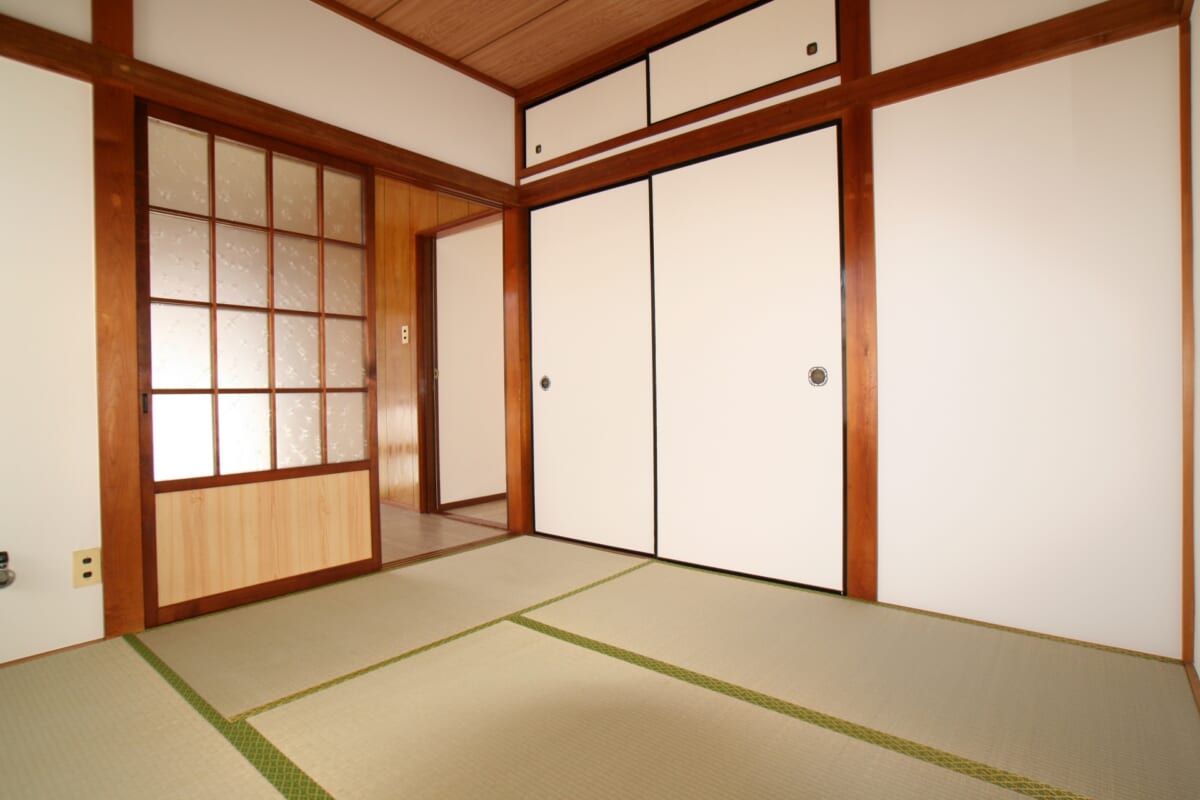
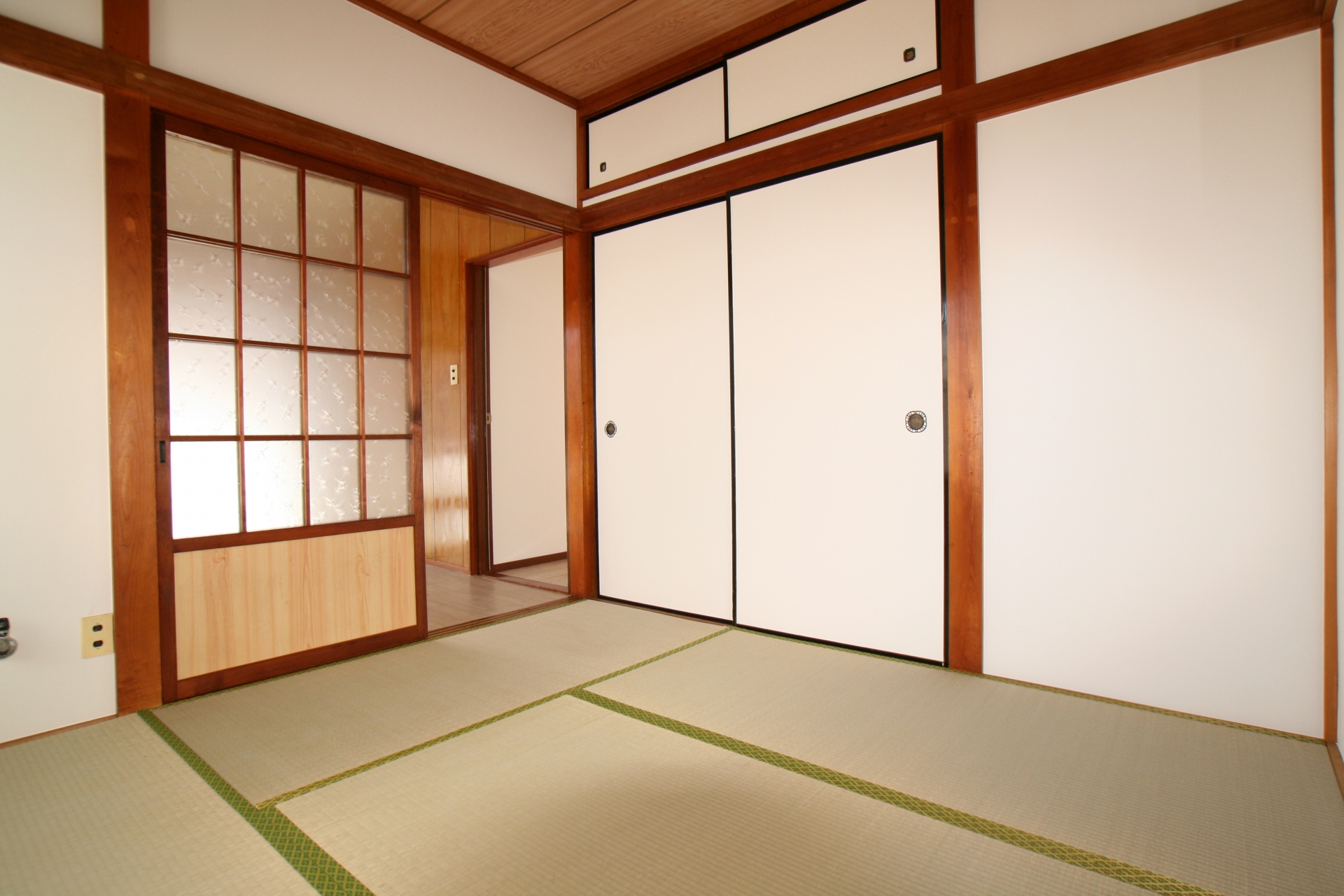
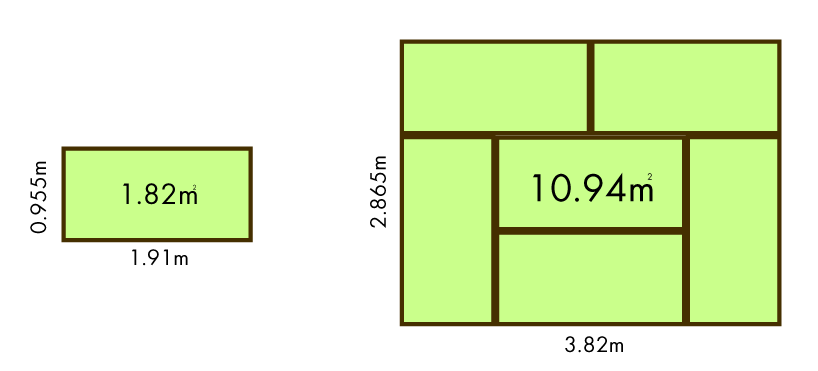
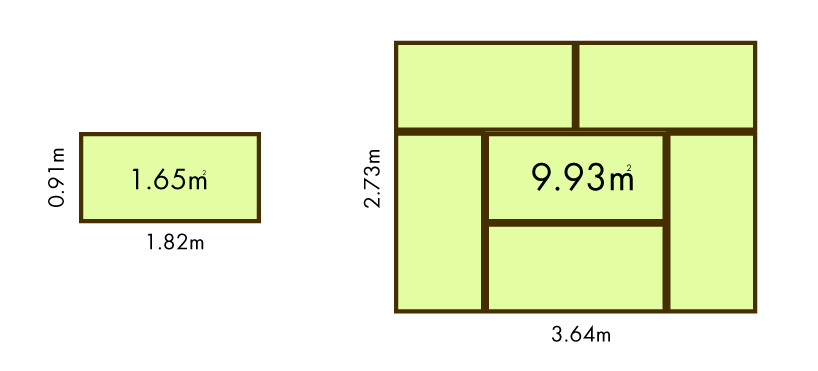
How Big is a 6-Tatami Size Room? Is it Enough for a Single Person? Recommended Layouts Included!
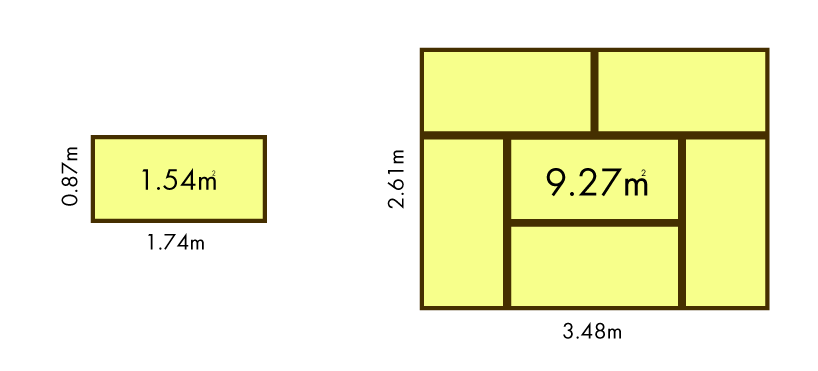
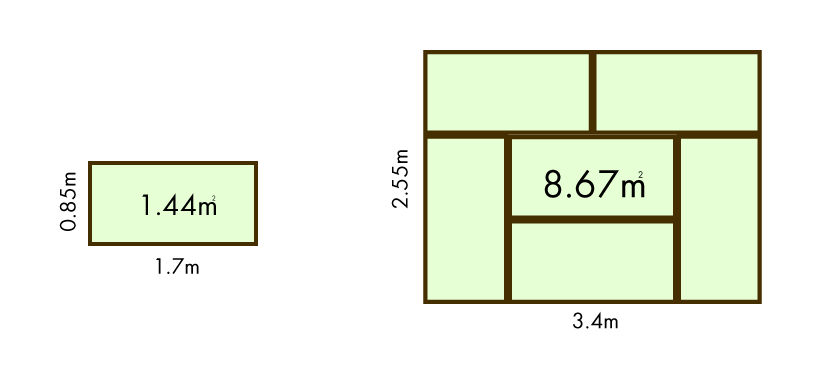
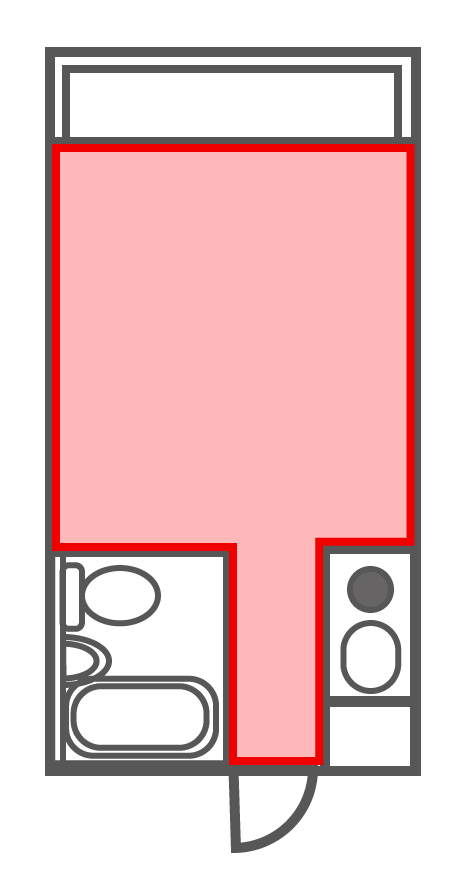
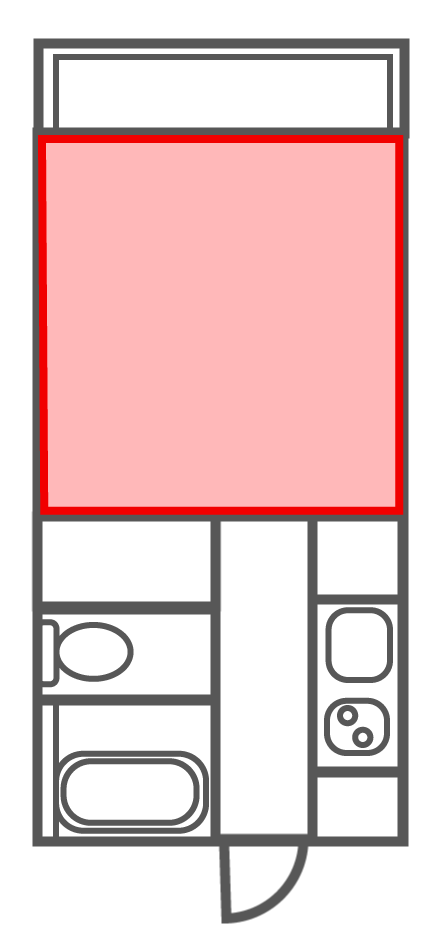
5. Four Recommended Layouts for Making the Most of a 6-Tatami Room
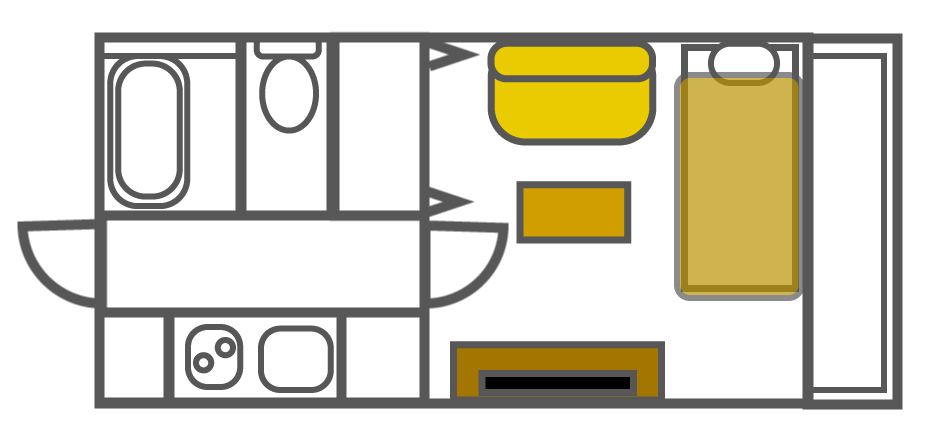
(1) You Can Fit a Sofa in a 6-Tatami Room With Some Ingenuity
Even in a 6-tatami room, it's possible to place a 1.5-seater sofa with some creativity. The point is positioning the bed along the shorter side of the room to ensure access to the balcony. A single bed is preferable; otherwise, fitting a sofa becomes difficult. Measure the sizes of both the bed and sofa carefully before viewing the property. Be aware that rooms often have beams in the corners, especially in reinforced concrete buildings, which can obstruct balcony access if a bed is placed there. A bed frame can be quite large, so a mattress with legs is recommended.
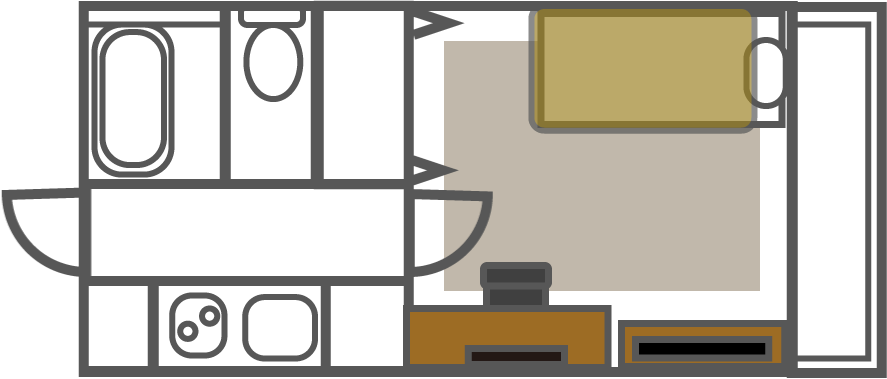
(2) Best for work from Home: Put the things to Wall Layout
A common layout for 1K rooms involves placing the TV and desk along one wall. This arrangement allows a clear view straight to the balcony upon entering the room, making the space feel larger. For an organized look, place the dresser or workspace along the long wall.
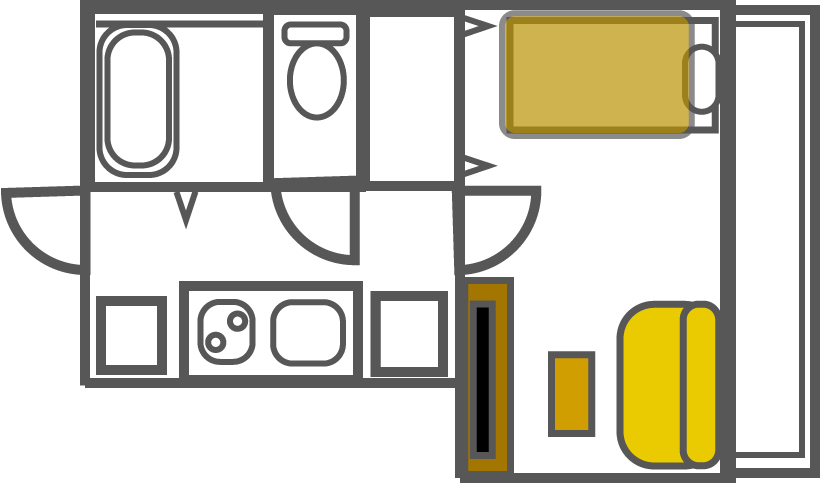
(3) Rare and Ideal: The Wide Long 1K Layout
Among 1K layouts, the wide long 1K is a gem. This layout offers more usable wall space and hides the bed, making the room feel larger. It also allows you to separate the living and sleeping areas. Ensure that you can place the bed without obstructing closet doors. Sliding doors are ideal, but they’re not always available, so measure carefully. If the bed fits exactly, remember that with bedding, the doors might not open. Allow some extra space.
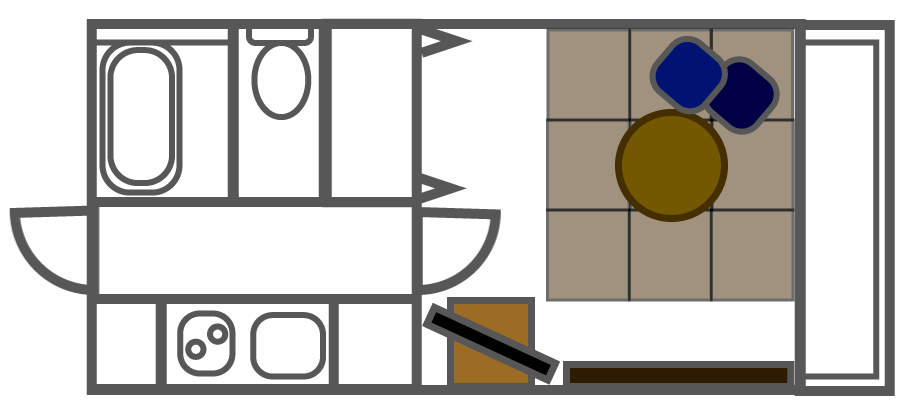
(4) No Bed: A Modern Japanese Style with Ryukyu Tatami
The bed is typically the largest piece of furniture in a 1K room. Without a bed, the room instantly becomes more spacious and versatile. However, sleeping directly on the flooring is uncomfortable, so Ryukyu tatami mats are recommended. These 0.5-tatami square mats come in various colors and add comfort and style. Ryukyu tatami is as affordable as a bed. Combined with modern Japanese-style lighting, you can create a stylish and cozy room.
This concludes our detailed guide on 6-tatami rooms. In conclusion, a 6-tatami room can be ample for a single person. Image the layout idea before viewing properties. There are important points to consider during property viewings, which we’ve covered in another article. If you have a chance, please take a look at that.
Thank you for reading until the end.
目黒区上目黒3丁目 【賃貸居住】マンション
普通借家契約 2年間
《地域創業30年・東急沿線中心に10店舗・宅建保有率80%超》経験×エリア×スキルが強みの不動産会社です!【未公開情報多数】初期費用の分割払いも相談可能です!様々な角度からご提案いたします。★お気軽にお問合せください★※掲載情報は画像含め現況優先
世田谷区中町4丁目 【賃貸居住】マンション
普通借家契約 2年間
《地域創業30年・東急沿線中心に10店舗・宅建保有率80%超》経験×エリア×スキルが強みの不動産会社です!【未公開情報多数】初期費用の分割払いも相談可能です!様々な角度からご提案いたします。★お気軽にお問合せください★※掲載情報は画像含め現況優先
新宿区若宮町10丁目 【賃貸居住】マンション
定期借家契約
大田区西蒲田8丁目 【賃貸居住】マンション
普通借家契約 24ヶ月間
練馬区桜台3丁目 【賃貸居住】マンション
普通借家契約 24ヶ月間
渋谷区笹塚2丁目 【賃貸居住】アパート
普通借家契約 2年間
品川区東品川3丁目 【賃貸居住】マンション
定期借家契約
品川区東品川3丁目 【賃貸居住】マンション
定期借家契約
品川区東品川3丁目 【賃貸居住】マンション
定期借家契約
渋谷区恵比寿4丁目 【賃貸居住】マンション
普通借家契約 24ヶ月間
新宿区荒木町10丁目 【賃貸居住】マンション
普通借家契約 24ヶ月間
中央区日本橋久松町10丁目 【賃貸居住】マンション
普通借家契約 24ヶ月間
文京区本郷5丁目 【賃貸居住】マンション
定期借家契約
北区王子1丁目 【賃貸居住】マンション
定期借家契約
文京区本郷5丁目 【賃貸居住】マンション
定期借家契約
目黒区中町2丁目 【賃貸事業】その他
普通借家契約 1年間