
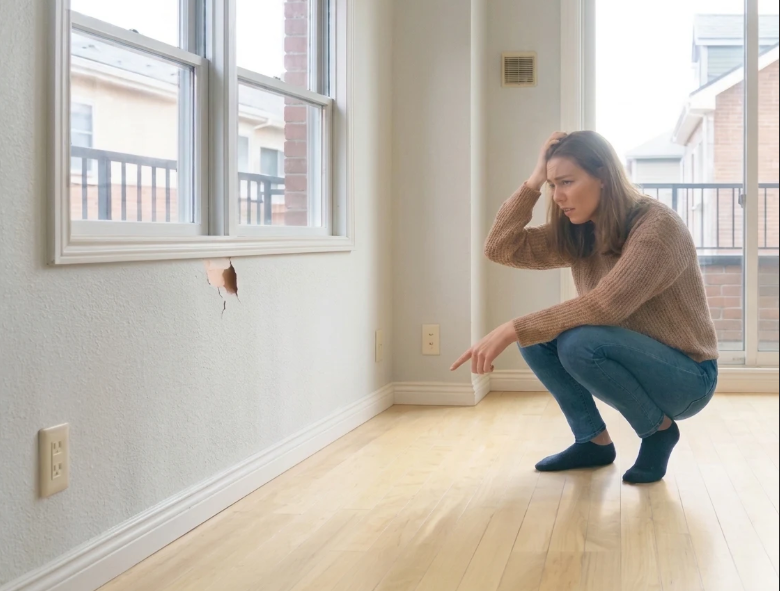
Starting a new life in your dream neighborhood—picking out furniture and exploring local cafes—is so exciting! However, while caught up in preparations for moving in, haven’t you overlooked what happens "when you move out" of your apartment?
In fact, the number one concern in rental contracts is trouble surrounding "restoration" (genjokaifuku — returning the room to its original condition) at the time of move-out.
This time, we will explain in an easy-to-understand way the key points you should know to prevent trouble!
1. What is "Restoration" in Rentals and How Much Are You Responsible For?
2. 5 Common Move-Out Troubles! Who Pays for These?
3. The Biggest Key to Preventing Trouble Lies at "Move-In"!
4. Summary: Know the Rules and Start Your New Life with Peace of Mind
Many of you might feel anxious, wondering, "When I move out, do I have to return the room in the exact same sparkling clean condition as when I moved in?"
To jump straight to the conclusion: "You do NOT need to return the room to its completely original state"!
Dirt, stains, and scratches that occur naturally from ordinary daily living (aging deterioration and normal wear and tear) are considered to be covered by the repair costs included in the "rent" you pay every month. Therefore, these are basically the landlord's responsibility.
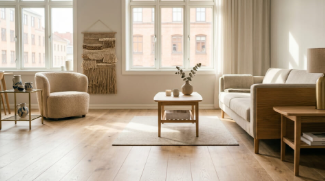
However! Please be careful, because dirt or damage caused by the tenant's carelessness (negligence)—such as "stains left behind after accidentally spilling a drink" or "mold that grew because you neglected cleaning"—will become the tenant's (your) financial responsibility.
In short, it is easy to remember it like this: "Dirt and wear from normal living are covered by the landlord, while dirt and damage caused by carelessness are your responsibility."
So, what specific cases become your own financial responsibility?
Let’s take a look at 5 common examples of trouble!
① Wallpaper Stains and Scratches
Safe (Landlord's responsibility):Natural sun fading from sunlight, tiny pinholes from thumbtacks used to hang calendars, and electrical scorch marks (blackening) behind the refrigerator.
Out (Your responsibility):Cigarette tar stains and odor, scratches made by pets, black mold caused by leaving condensation unaddressed, and large holes from screws or nails.
② Flooring Damage
Safe (Landlord's responsibility): Indentations (dents) left from placing furniture like beds or sofas, and discoloration/fading from sunlight.
Out (Your responsibility): Deep scratches caused by dropping heavy objects, stains caused by leaving spilled drinks uncleaned, and scratches scraped into the floor by wheeled desk chairs.
③ Air Conditioner Malfunctions and Dirt
Safe (Landlord's responsibility): When it breaks down naturally due to old age, and standard cleaning upon move-out.
Out (Your responsibility): When it breaks down because dust clogged it up after you never cleaned the filters at all.
④ Mold and Condensation
Safe (Landlord's responsibility): Condensation that inevitably occurs due to structural issues of the building (such as poor sunlight or overly high airtightness).
Out (Your responsibility): When mold grows on the wallpaper because you left visible condensation unwiped, or mold that grew in the bathroom due to neglecting regular cleaning.
⑤ Key Replacement Fees
In principle, this is considered the responsibility of the landlord (or the next tenant), but if the contract includes a special clause (tokuyaku) stating that "key replacement fees upon move-out are borne by the tenant," you will have to pay for it. Be sure to check your contract carefully when signing!
Most move-out troubles can be prevented through "regular, frequent cleaning" and "contacting the management company immediately if any defect or issue arises."
Taking good care of your apartment ultimately leads to the greatest savings.
To prevent trouble when moving out, the most important thing is actually what you do on "the very day you move in."
When you move out, even if you say, "I didn't make this scratch! It was there from the beginning!" it may not be accepted without proof.
To prevent this, taking photos of the room with your smartphone before moving your luggage in is the strongest defense.
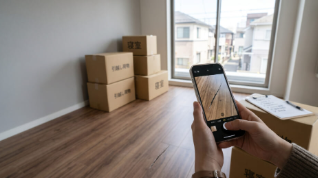
・Are there any scratches on the floor?
・Are there any stains or peeling on the wallpaper?
・Do the built-in air conditioner and water heater work properly?
If you notice any areas of concern, take photos and keep a record of them.
If you can prove that it was "damage that existed before you moved in," you won't have to worry about being billed for it when you move out.
Rental lease agreements can feel difficult with lots of technical terms, especially if it’s your first time living alone or moving in with a partner in Japan.
However, if you keep the basics in mind—"treat the room with care," "keep records when moving in," and "read the contract thoroughly (especially move-out rules and special clauses)"—you can avoid most troubles.
At Balleggs, we don't just share the merits of a property; we also carefully explain all contract rules and initial costs transparently to support our customers toward a safe and worry-free new life.
If you are looking for your ideal apartment along the Tokyu Lines, please leave it to us!